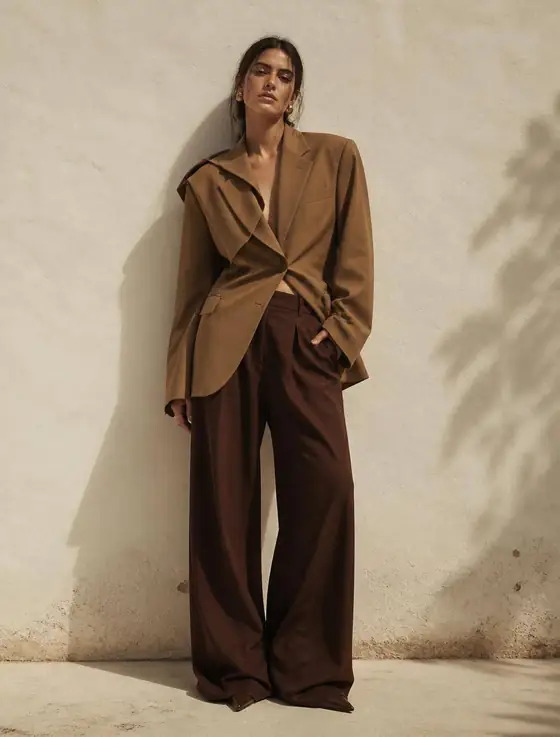

The tailored waistcoat has transitioned from a formal three-piece vestige to an independent cornerstone of contemporary womenswear. When drafted with exacting precision, it introduces sharp architectural structure to minimalist wardrobes while offering exceptional trans-seasonal versatility. Navigating canvas construction, button stances, and textile weights ensures this heritage piece delivers refined polish across any setting.
Fabric Selection: Suiting Wool, Linen, and Crepe
The structural integrity of a waistcoat begins with fabric density. High-twist wool worsteds ranging between 260 and 320 grams per linear meter offer the requisite body to support clean vertical lines without buckling. For warmer climates, dense Irish linen or crisp cotton twill delivers organic texture, provided the weave is tight enough to prevent premature bagging at tension points across the chest.
For a fluid drape that transitions seamlessly into evening wear, heavy silk crepe or wool-viscose blends provide subtle movement. Avoid overly synthetic polyester blends with high stretch percentages; elastane degrades the crisp perimeter of the garment and causes puckering around welt pockets and buttonholes over time.
Drafting the Silhouette: Dart Placement and Hem Angles
A flattering feminine waistcoat requires specific pattern adjustments distinct from traditional menswear drafting. Precise bust darts originating from the armscye or waistline prevent gaping at the armholes while shaping the garment cleanly against the ribcage. The armholes should sit close to the underarm without binding, creating a flush silhouette when worn directly against the bare skin.
The hemline geometry fundamentally dictates how the vest interacts with bottom garments. Classic inverted V-notches at the front hem elongate the torso and sit cleanly over high-rise waistbands without bunching. Conversely, a blunt horizontal hem delivers an austere, modern look best paired with fluid wide-leg trousers or column skirts.

Neckline Depth and Button Stance Proportions
Button stance establishes the visual focal point of the torso. A high five-button stance ending near the collarbone references Edwardian utility, creating a structured canvas suitable for understated jewelry. A lower three- or four-button stance plunging into a sharp V-neckline lengthens the neck and offers a balanced display of collarbones when worn alone.
When selecting lapel details, minimalism often yields the highest sartorial longevity. Sleeveless vests with clean, unadorned edges allow effortless layering under blazers. However, a slim peak lapel or structured shawl collar adds vintage depth, turning the waistcoat into an authoritative standalone statement piece.
Internal Construction and Back Adjusters
The interior construction dictates how a waistcoat maintains shape during wear. High-grade vests feature a light, floating canvas interlining across the front panels rather than stiff, fused adhesive interfacings. This traditional method allows the garment to mold naturally to the wearer's contours while preserving the breathable drape of the outer cloth.
Turn attention to the back panel construction. While traditional matching-fabric backs offer a clean 360-degree look, traditional cupro-lined backs with a functional cinch slider allow micro-adjustments at the natural waist. Opt for metal cinch hardware rather than plastic sliders to ensure the tension holds securely throughout the day.
Monochrome and Standalone Styling Formulas
Wearing a waistcoat as a standalone top requires deliberate proportion balancing. Pair a fitted wool waistcoat with matching high-waisted pleated trousers to create an elongated, unbroken vertical line. Ground this tonal monochrome base with pointed-toe leather mules or sharp loafers to maintain an uncompromisingly tailored aesthetic.
For high-contrast daywear, style an ivory linen waistcoat against crisp dark-wash denim in a wide-leg or straight-cut silhouette. The juxtaposition between formal sartorial structure and rugged indigo denim creates an effortless balance of smart and casual elements suitable for informal professional environments.
Layering Over Knitwear and Under Suiting
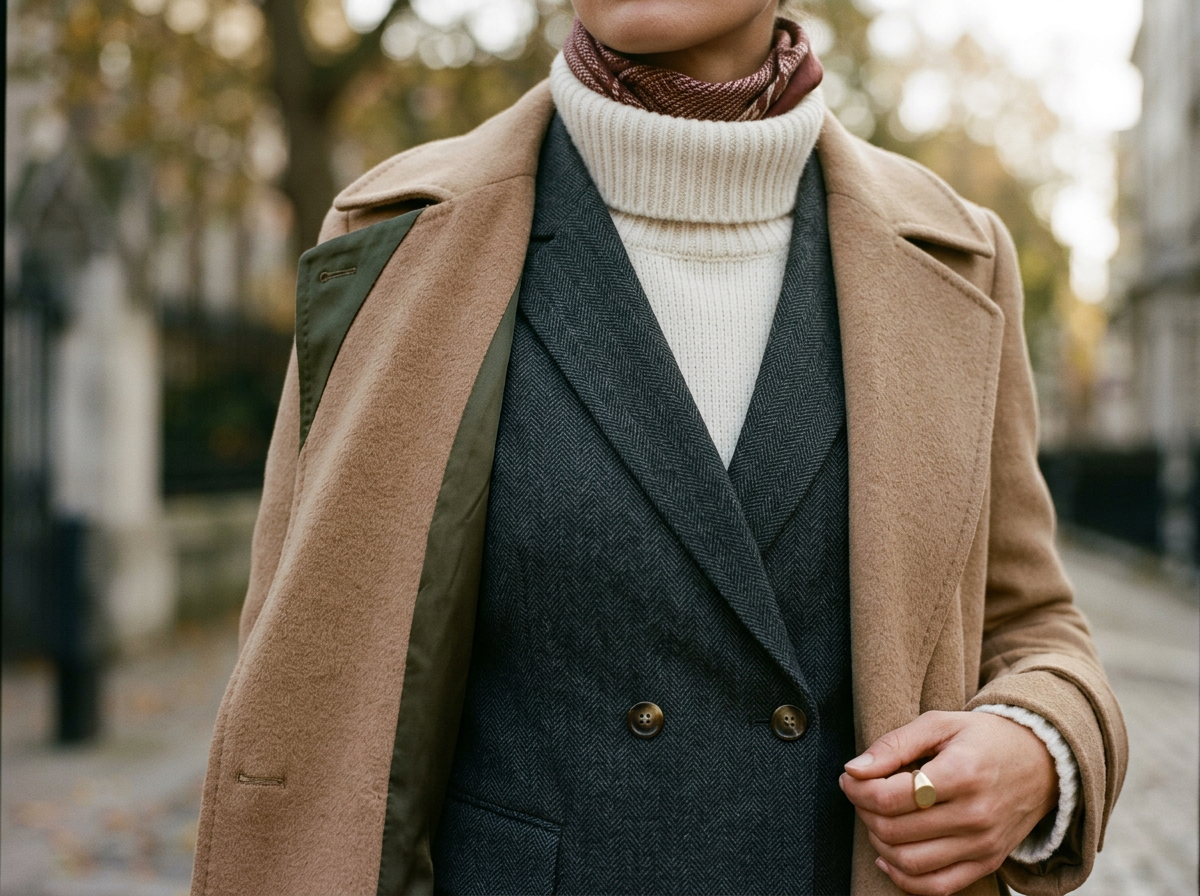
During cooler transitions, the waistcoat functions as an effective intermediate layer. Layer an unbuttoned or fully fastened vest over a fine-gauge silk-cashmere turtleneck in a tonal hue. Ensure the knitwear is lightweight enough to prevent bulk around the armholes and along the side seams.
When integrating the waistcoat into full tailored suiting, maintain consistent fabric weights across all pieces. An oversized wool overcoat or a relaxed double-breasted blazer draped open over a buttoned vest introduces sophisticated depth through structured, deliberate layering.
Garment Care, Pressing, and Longevity
Proper maintenance preserves the sharp lines and canvas construction of tailored vests. Hang waistcoats on contoured wooden hangers that support the shoulders without distorting the armhole seams. Steam the garment between wears rather than subjecting it to frequent dry cleaning, which strips natural lanolin from wool fibers and degrades structural canvas.
When pressing at home, always use a clean cotton pressing cloth to prevent surface shine along seams, pocket welts, and button plackets. Pay particular attention to pressing the front points flat and keeping the pocket welts crisp to ensure the waistcoat retains its original architectural shape for decades.