
The bias-cut silk slip dress remains one of the most versatile foundations in contemporary womenswear, balancing delicate minimalism with architectural fluidity. When cut correctly on the true diagonal grain, the fabric moves in tandem with the body rather than clinging to it. Achieving an elevated aesthetic requires a nuanced understanding of fabric density, precise tailoring, and deliberate styling across day and evening wear.
Evaluating Silk Weight and Weave Varieties
The integrity of a slip dress begins with momme weight, the standard metric for measuring silk density. Lightweight silks under 16 momme often suffer from excessive static, transparency, and seam pulling. For an opaque drape that skims curves smoothly, invest in garments constructed from 19 to 22 momme silk. This substantial weight provides enough downward tension to hold a clean vertical line without adding bulk.
Fabric finish alters both formality and light reflection. Silk charmeuse delivers high-shine luminosity and fluid liquid drape suited for black-tie dressing, while sandwashed silk offers a muted, suede-like matte texture ideal for daytime wardrobes. Silk crepe de chine provides subtle pebbled texture and natural wrinkle resistance, making it the most resilient option for business casual and travel rotations.
The Anatomy of a Flawless Bias Cut
A genuine bias cut involves slicing fabric at a 45-degree angle against the warp and weft grainlines. This orientation unlocks natural mechanical elasticity in woven silk, allowing it to mould organically over hips and bust without spandex or elastane. When inspecting a dress, check that side seams fall straight down rather than corkscrewing forward, which indicates improper grain alignment during manufacturing.
Look for subtle tailoring details that anchor the silhouette. Double-layered silk panels across the bust offer structural support and discreet modesty, while French seams prevent raw edges from fraying or creating ridge lines. Adjustable, slender rouleau straps ensure the neckline sits precisely at the collarbone, avoiding gaping at the armscyes.

Mastering Hemlines and Footwear Proportions
Hemline placement dictates the overall proportion of the outfit. A midi length terminating precisely at the lower calf creates an elongated, elegant vertical line. Pair this cut with minimalist leather slingbacks or sculptural kitten heels for evening silhouettes, or anchor the delicate fabric with knee-high structured leather boots to inject modern tension and utilitarian grit into daytime ensembles.
Maxi lengths that graze the top of the foot require clean footwear profiles to prevent hem dragging. Square-toe mules, sleek pointed-toe pumps, or sharp leather loafers ground the fluid drape effectively. Ensure the hemline finishes at least two centimetres above the floor to maintain garment integrity and fluid movement.
Undergarment Architecture and Foundations
The minimal nature of silk leaves zero room for conspicuous seam lines. Laser-cut microfiber briefs with bonded edges eliminate visible panty lines entirely. When selecting tones, opt for a seamless shade that matches your skin tone rather than the dress colour, preventing contrast visibility under sheer or light-coloured silks under bright lighting.
Bust support demands specialized structural solutions. For dresses with low backs or cowl necklines, adhesive silicone lifting cups provide shape without visible band lines. Alternatively, a low-back seamless bodysuit creates a smooth under-canvas that simultaneously neutralizes static and prevents the silk from clinging across the torso and hips.
Transitional Layering Strategies
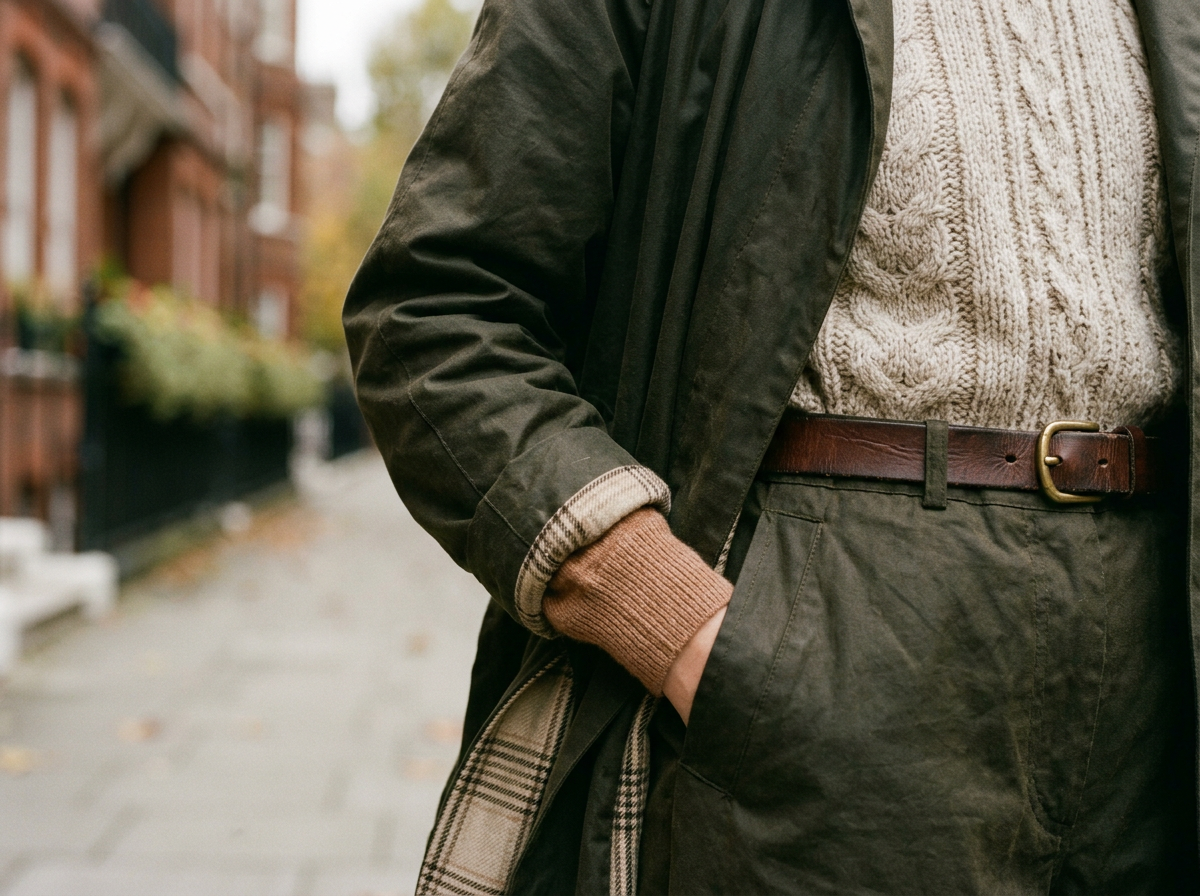
Elevating a silk slip dress for daytime requires balanced textural contrast. Layer a chunky, oversized fisherman knit or a relaxed alpaca crewneck directly over the dress, letting the fluid silk hem peek out beneath heavy wool. Belting the knit at the waist creates defined proportions while preserving the relaxed mood.
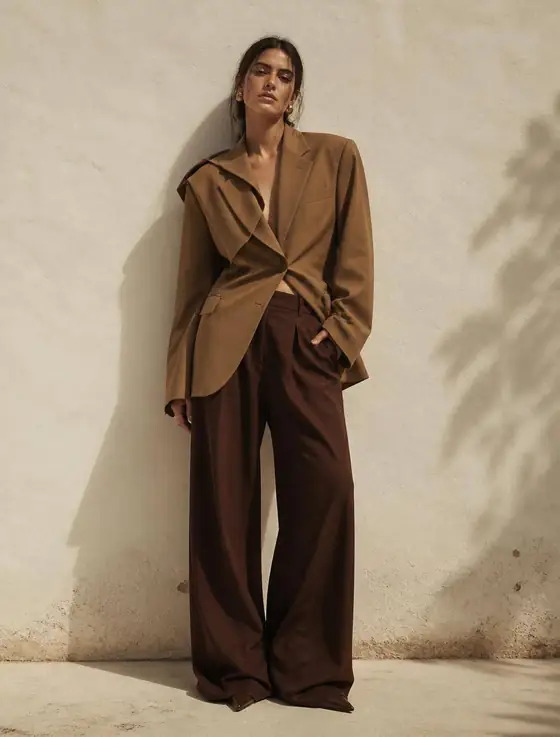
For professional settings, offset the dress's lingerie origins with rigid, masculine tailoring. An oversized wool twill blazer with broad shoulders frames the fluid neckline, providing structure and modesty. Choose blazers that hit mid-thigh to maintain a clean stepped hemline sequence that elongates your frame.
Care, Steaming, and Garment Longevity
Silk requires disciplined maintenance to preserve its lustre and hand feel. Always use a handheld garment steamer on a medium setting rather than a flat iron, as direct metal plates can scorch delicate fibres and leave permanent sheen marks. Direct steam horizontally or from the inside out to relax wrinkles without water spotting.
Store slip dresses on wide, velvet-padded hangers to prevent strap distortion and shoulder puckering. Avoid wire hangers, which concentrate stress points on narrow straps. For extended storage, place the garment inside a breathable 100 percent cotton garment bag away from direct sunlight to prevent colour fading and fibre degradation.