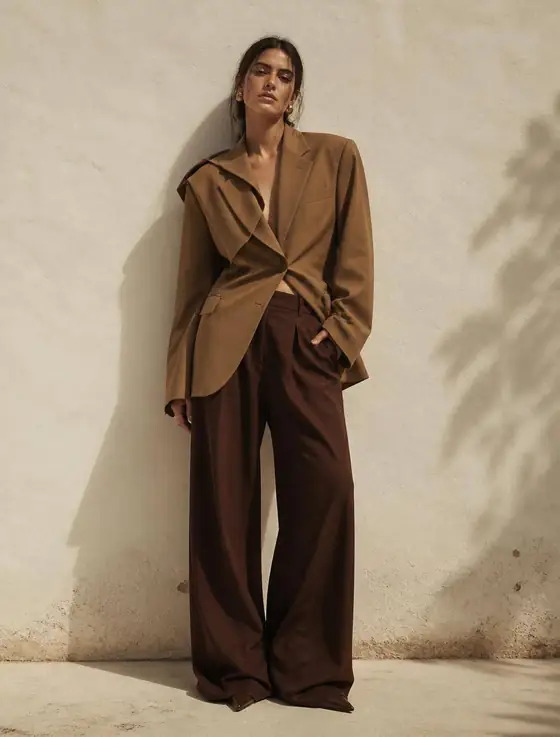
The waistline returns as the definitive anchor of contemporary tailoring, driven by wide, sculptural leather belts that disrupt relaxed silhouettes. Far from simple utilitarian fasteners, modern statement belts function as wearable architecture that reshapes oversized outerwear and sharpens fluid drapery. Mastering this piece requires a clear understanding of leather temper, hardware geometry, and garment balance.
Selecting Premium Leathers and Hardware Finishes
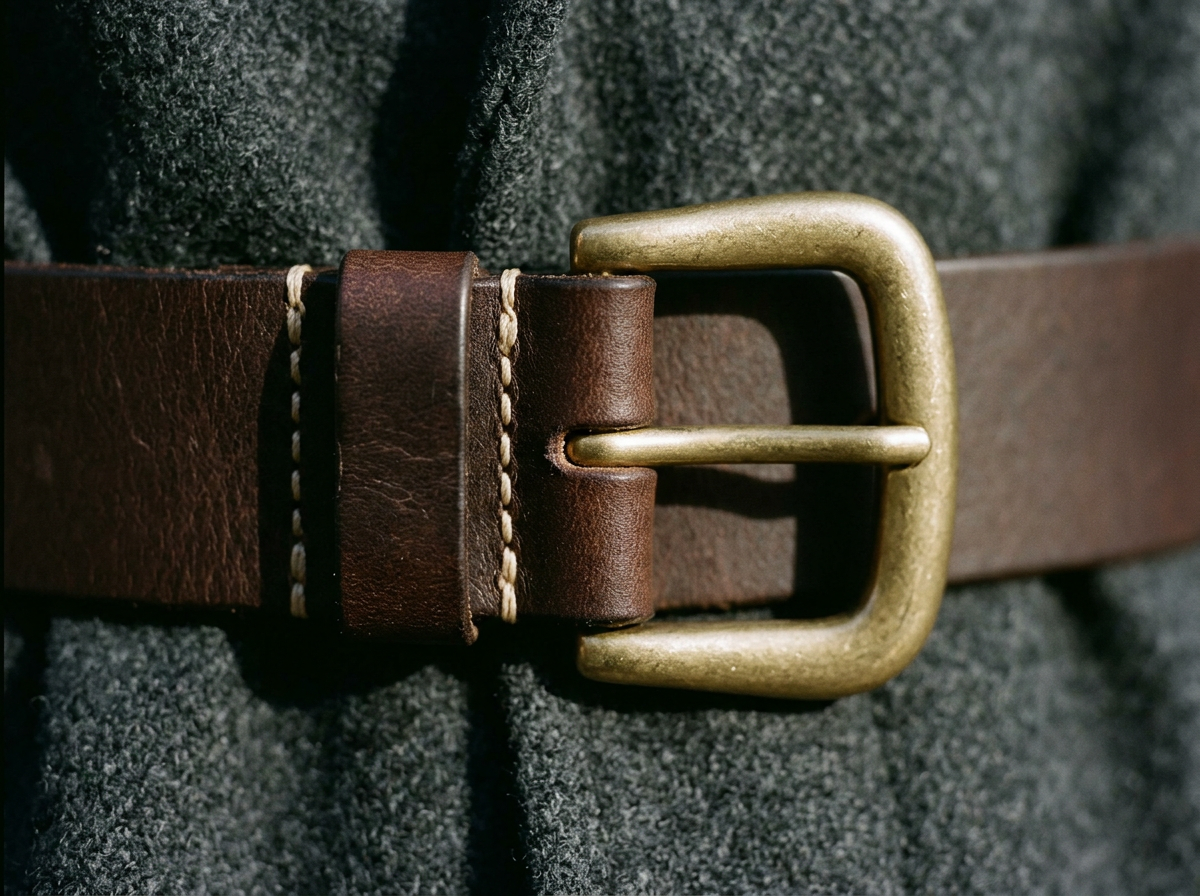
The integrity of a statement belt depends entirely on leather selection and structural temper. Full-grain, vegetable-tanned bridle leather provides the rigid density required to hold its shape over outerwear without collapsing or creasing prematurely. For a softer drape around knitwear, look for semi-aniline box calfskin, which offers supple flexibility while retaining a smooth, low-sheen surface.
Hardware selection should dictate the overall tone of your ensemble. Brushed palladium, solid cast brass, and blackened ruthenium buckles introduce sculptural weight. Avoid stamped zinc alloys, which lack weight and chip over time. Ensure the buckle prong and keeper loop sit entirely flush against the strap to preserve a streamlined profile across heavy wools.
Balancing Proportions Over Structured Outerwear
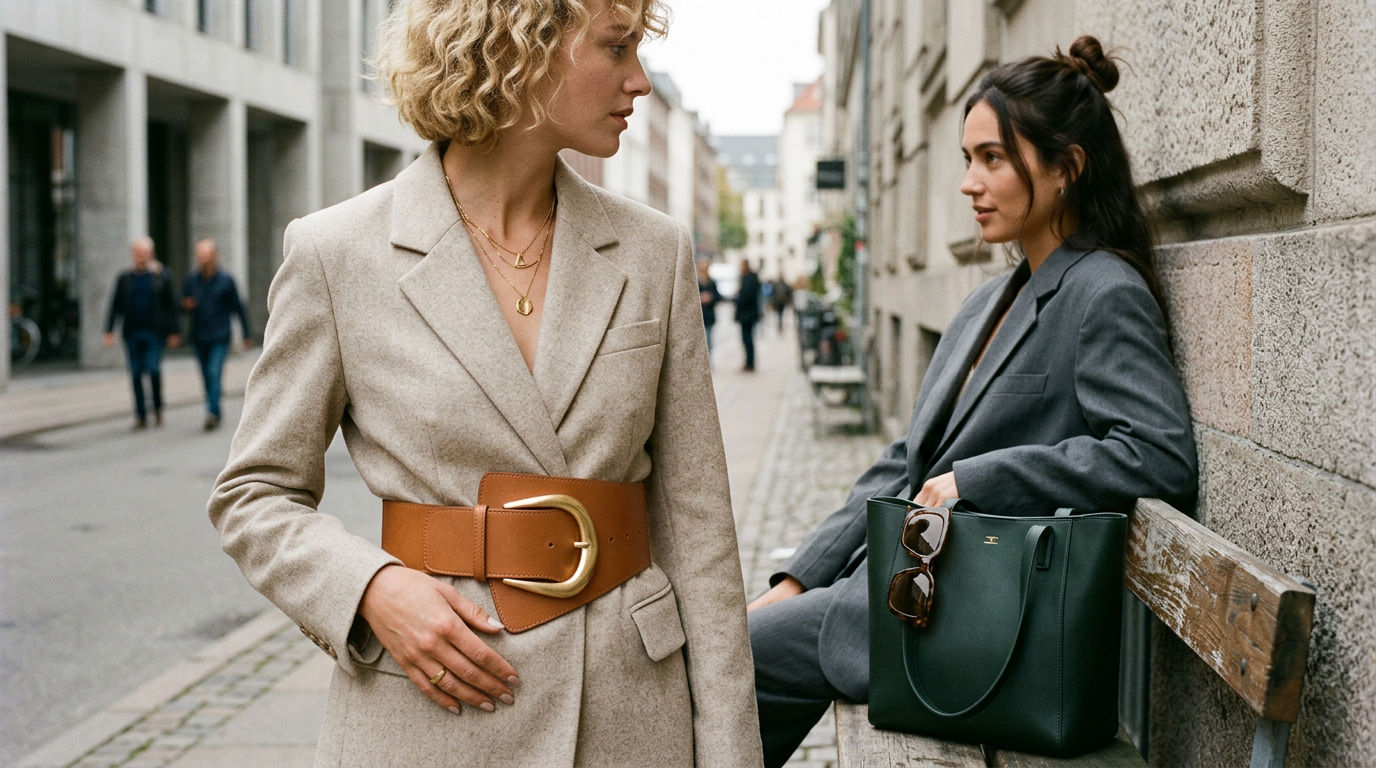
Cinching a wide belt over relaxed outerwear instantly shifts an outfit from unstudied to authoritative. When styling over double-breasted blazers or heavy wool trench coats, position a two-to-three-inch strap directly at the natural waist rather than the hips. Unbutton the lowest jacket button to prevent fabric bunching, allowing the hem to flare cleanly beneath the cinched waistline.
Avoid pairing wide, heavy-hardware belts with jackets that already feature dramatic epaulets or exterior flap pockets. Let the belt remain the solitary focal point by choosing clean, minimalist outerwear cut from dense fabrics like double-faced wool, compact gabardine, or heavy bonded cotton.
Grounding Fluid Silk and Ribbed Knitwear
Sculptural belts provide an essential counterweight to delicate or voluminous fabrics. Cinch an asymmetrical leather corset belt over an ivory silk-twill midi dress to contrast fluid drape with rigid structure. The juxtaposition between organic textile movement and precise leather edges elevates casual daywear into polished evening attire.
When styling over ribbed cashmere sweaters or heavy cardigans, choose a belt with an internal suede backing. Suede creates gentle friction that keeps the belt anchored in place throughout the day, preventing the strap from riding upward or distorting delicate knit stitches.
Strategic Color Palettes and Material Contrast
Tonal styling creates a quiet, architectural statement that elongates the frame. A deep espresso saddle leather belt layered over a mocha wool coat delivers subtle depth without visually cutting the torso in half. Similarly, an unlined black leather cinch layered over a charcoal cashmere crewneck offers textural contrast while preserving clean lines.
For a deliberate high-contrast focal point, anchor a warm cognac or oxblood leather belt against cool-toned tailoring, such as slate grey flannel or optic white poplin. Match the undertones of your belt hardware to your jewellery and handbag accents to maintain aesthetic cohesion throughout the look.
Essential Maintenance and Structural Storage
Wide leather belts require deliberate maintenance to prevent edge splitting and surface fatigue. Apply a high-grade beeswax-based leather balm every four to six months using a microfiber cloth. Pay special attention to the burnished edges, where moisture loss first shows as microscopic cracking. Avoid liquid silicone sprays, which degrade natural grain over time.
Never roll structured wide belts tightly, as this fractures the internal stiffeners and permanently creases the leather. Store them hanging flat from a dedicated accessory hook by the buckle, or coil them loosely inside a breathable cotton dust bag in a temperature-controlled wardrobe away from direct sunlight.