
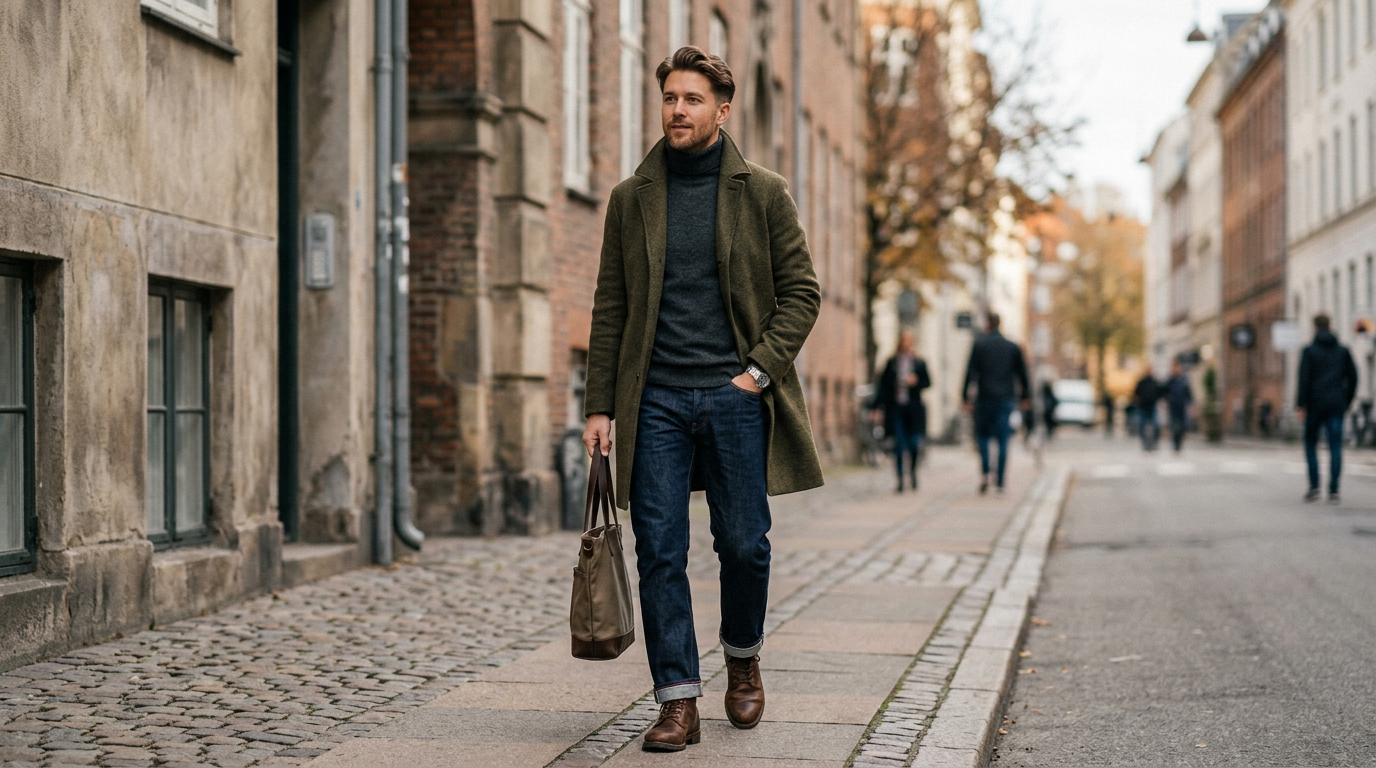
Raw denim represents the pinnacle of menswear craftsmanship, combining heritage textile production with personal patina. Navigating unwashed denim requires an understanding of vintage shuttle looms, yarn weights, and long-term breaking-in methods. When approached with intentionality, a quality pair of dry jeans yields a custom fit and natural wear pattern unmatched by pre-distressed alternatives.
Understanding Selvedge Looming and Fabric Integrity
Raw denim refers strictly to fabric that leaves the loom unwashed and untreated by industrial finishing processes. Selvedge denim, traditionally produced on narrow shuttle looms, features self-finished woven edges that prevent unraveling and yield a denser, more characterful weave. While modern projectile looms produce wider fabric quickly, vintage shuttle looms from mills like Kuroki and Kurabo in Okayama operate at lower tension, introducing deliberate irregularities such as slub and nep.
These structural nuances allow the fabric to age with high contrast. The indigo dye sits on the surface of the ring-spun cotton yarns while the core remains white. As friction naturally abrades the indigo coating over months of continuous wear, the white core emerges at the points of highest stress, generating distinct whiskering and honeycombs entirely unique to your posture.
Decoding Denim Weights: From 12oz to Heavyweight 21oz
Selecting the correct denim weight dictates drape, comfort, and longevity. Fabric weight is measured in ounces per square yard. Lightweight options between 10oz and 12oz offer immediate comfort and breathability for warm weather, though they produce softer, less pronounced contrast fades. They serve as an approachable entry point for those unaccustomed to rigid textiles.
Midweight denim, ranging from 13oz to 16oz, serves as the true industry standard for year-round versatility. This bracket balances structural stiffness with manageable break-in times, offering crisp creases across tailored or straight-leg silhouettes. Heavyweight fabrics above 18oz up to 21oz provide extreme durability and razor-sharp fades, but require significant break-in patience and suit colder climates best.

Sanforized Versus Loomstate Denim
Before selecting your size, you must determine whether the denim is sanforized or unsanforized (often labeled loomstate or shrink-to-fit). Sanforization is a mechanical pre-shrinking process that uses steam and pressure to stabilize the cotton, resulting in minimal shrinkage of roughly one to three percent upon the first wash. This makes sizing predictable and straightforward.
Unsanforized denim bypasses this treatment entirely, going straight from loom to cut. It shrinks up to ten percent in volume and roughly two to three inches in length after its initial hot soak. Loomstate requires buying one to two sizes up and executing an intentional initial tub soak to settle the cotton fibers into their permanent dimensions before regular wear.
Choosing the Optimal Cut and Proportion
Because raw denim possesses inherent rigidity before softening, cut selection is critical to comfort and aesthetics. A classic straight-leg cut with a medium-to-high rise provides the cleanest line, draping cleanly over Goodyear-welted boots and derby shoes without bunching at the knee. It flatters most body types and balances modern overcoats and chore jackets effortlessly.
For a contemporary sartorial profile, a relaxed taper offers generous room across the seat and thighs with a subtle narrowing from the knee down to a clean seven-to-eight-inch leg opening. Avoid extreme skinny fits in dry denim, as the lack of elastane combined with high-tension seams restricts circulation and accelerates premature crotch blowouts.
Styling Raw Denim Across Menswear Codes
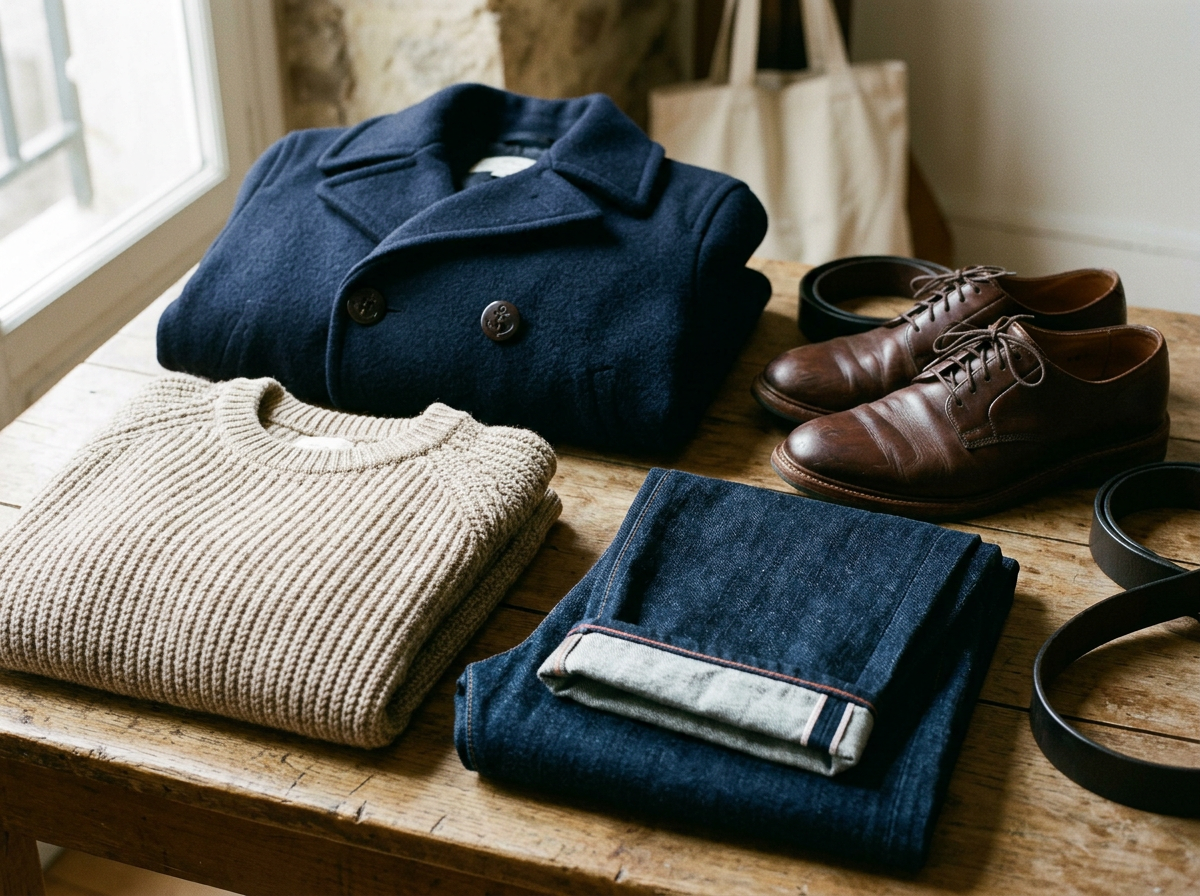
Raw denim functions as an architectural anchor within a refined casual wardrobe. Pair deep indigo straight-cut jeans with an off-white heavyweight loopwheel t-shirt, a navy wool overshirt, and split-toe leather boots for an elevated weekend aesthetic. The uniform dark indigo tone reads cleaner and sharper than washed denim.
To bridge the gap between casual and tailored, combine crisp midweight selvedge with a structured charcoal tweed sport coat, a light blue Oxford cloth button-down, and dark brown suede penny loafers. Ensure the hem is finished with an authentic chainstitch, showing a modest single cuff to display the interior selvedge identification line without disrupting the trouser break.
The Preservation and Washing Protocol
Proper care balances hygiene with contrast fading. Wear your raw denim regularly for four to six months before the initial submersion to firmly set the crease lines. When washing is necessary, turn the jeans inside out, submerge them in cold water with a gentle detergent formulated without bleach or optical brighteners, and agitate gently by hand.
Avoid spin cycles, which can introduce artificial marbling streaks across the indigo surface. Hang the jeans to air dry out of direct sunlight using a sturdy trouser clamp at the cuffs to preserve the straight drape. Spot clean surface marks with a damp cloth and ventilate the garment between wears to maintain fabric freshness without stripping indigo prematurely.