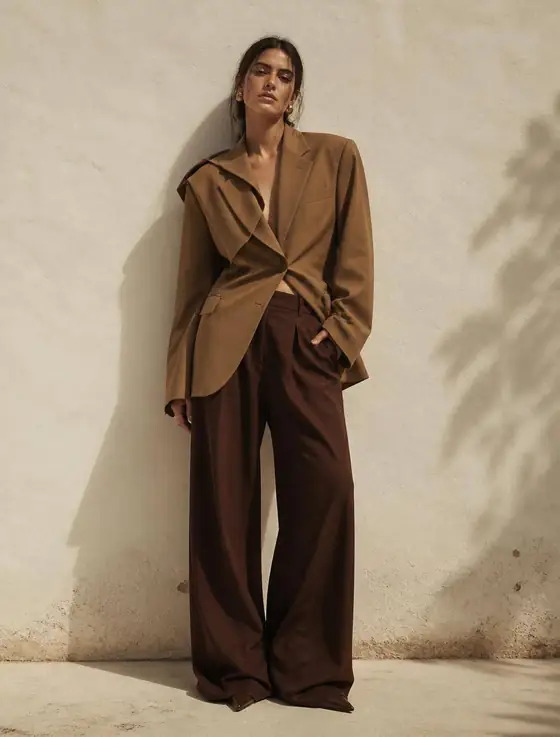
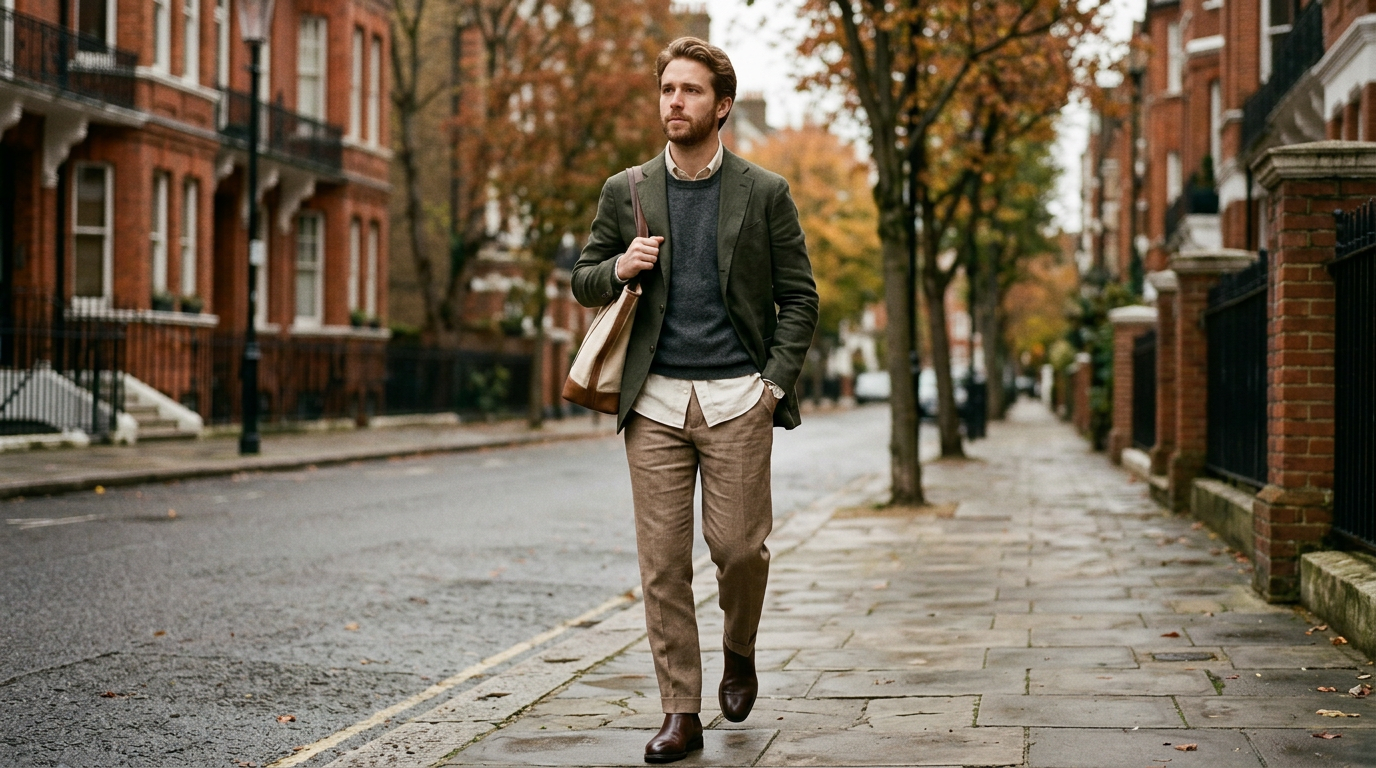
Linen remains the pinnacle of warm-weather menswear, offering unmatched breathability and natural texture. When chosen with an understanding of fabric weight and construction, it transcends beachwear to become an essential component of sharp summer tailoring. Mastering linen requires appreciating its organic drape while selecting cuts that maintain structure throughout the day.
Understanding Linen Weights and Weaves
Fabric weight determines whether a linen garment looks refined or unkempt. Lightweight linens under 160 grams per square metre are ideal for shirting, allowing maximum airflow while retaining modest opacity in pale tones. Medium weights, ranging between 200 and 280 grams, form the backbone of warm-weather trousers and unstructured sport coats, providing sufficient body to hold a trouser crease and maintain clean shoulder lines.
Heavyweight linens exceeding 300 grams offer exceptional drape for suits, resisting excessive micro-wrinkles while aging gracefully over multiple seasons.
Pure Flax Versus Linen Blends
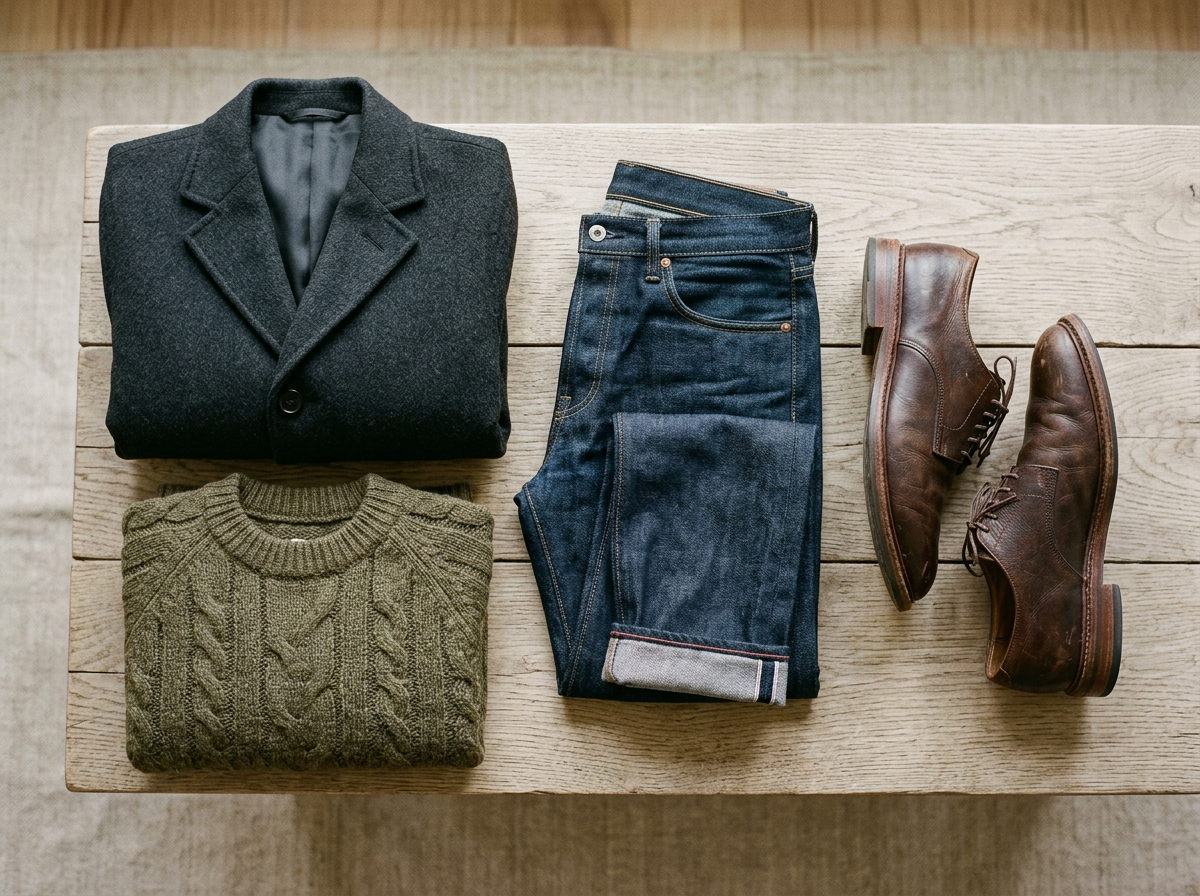
While pure Irish or Italian flax delivers authentic rustic texture and maximum cooling, hybrid blends offer distinct tailoring advantages. Combining linen with fine high-twist wool creates a resilient cloth that sheds creases quickly while preserving linen's slubbed surface. Adding mulberry silk injects subtle sheen and fluid drape, making it the premier choice for formal summer evening wear.
Cotton-linen blends provide structure and a firmer hand, bridging the gap between utilitarian workwear and smart city tailoring.

The Tailored Linen Suit and Sport Coat
Tailoring in linen demands specific structural choices to prevent garments from collapsing in high humidity. Opt for unlined or quarter-lined jackets with soft, unpadded canvas construction that lets the chest breathe while preserving clean contours. Patch pockets, generous notch lapels, and double vents complement the fabric's relaxed sophistication.
For trousers, a higher rise with single reverse pleats allows air circulation around the thighs while anchoring the silhouette, preventing the fabric from clinging uncomfortably.
Casual Staples: Camp Collars and Relaxed Trousers
Beyond formal tailoring, linen shines in relaxed warm-weather staples that replace synthetic leisurewear. A long-sleeve camp collar shirt cut from 170-gram washed linen pairs effortlessly with tailored shorts or drawstring trousers. Look for refined details such as mother-of-pearl buttons, clean French seams, and a relaxed chest cut.
Linen trousers cut with a gentle taper and neat two-inch cuffs anchor casual summer outfits when paired with unlined suede loafers or leather sandals.
Colour Palettes for Warm-Weather Sophistication
Navigating linen shades requires moving beyond stark optical white. Sophisticated summer palettes rely on earth-drawn neutrals such as tobacco, raw ecru, biscuit, and sage green, which highlight the organic slubs of the flax fibre.
For tailored jackets and evening wear, deep navy, espresso, and charcoal deliver formal gravitas without trapping heat when woven in breathable, open-weave linens. Monochromatic combinations in tonal stone and cream create an effortless, cohesive aesthetic suitable for warm-weather business or leisure.
Washing, Steaming, and Garment Preservation
Linen is inherently durable, yet improper laundering will strip its natural oils and weaken fibre tensile strength. Wash linen shirts and trousers in cold water using a gentle, pH-neutral liquid detergent, avoiding chlorine bleaches and fabric softeners that coat the yarn.
Always air-dry on wide wooden hangers rather than using heat dryers. To manage wrinkling, use a garment steamer rather than a dry iron; the warm steam relaxes the flax fibres naturally without flattening the textile's distinctive three-dimensional surface.