A well-crafted pair of boots provides the structural anchor for a refined masculine wardrobe. Choosing the right silhouette requires balancing rugged functionality with clean lines, ensuring each pair transitions effortlessly from tailored trousers to heavy denim. Understanding the interplay between leather grades, sole compounds, and welted construction is the first step toward building an enduring collection.
The Chelsea Boot: Minimalist Versatility
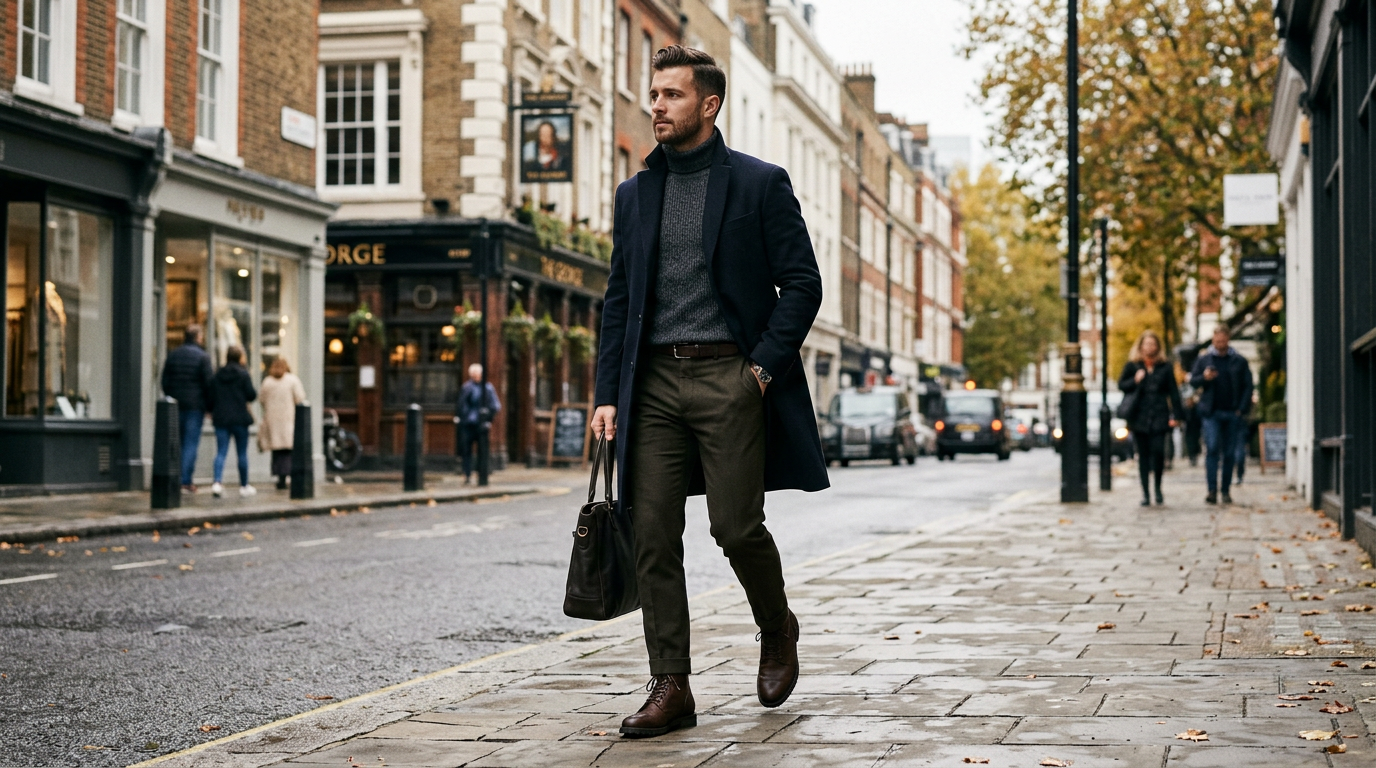
Defined by elastic side gussets and clean vamp construction, the Chelsea boot remains the most adaptable silhouette in modern menswear. When cut on a sleek, almond-shaped last with a leather or low-profile rubber sole, it slides naturally under tailored flannel trousers and structured suits. For everyday wear, full-grain calfskin in deep espresso or black offers an uncompromising, streamlined aesthetic that elevates clean denim or tailored chinos.
Pay close attention to shaft height and ankle opening width. A narrow opening ensures trousers fall smoothly without catching on the pull tab, preserving the fluid line of your trouser break. Opt for wholecut patterns whenever possible, as fewer seams result in a cleaner aesthetic and greater long-term comfort.
The Service Boot: Heritage Durability
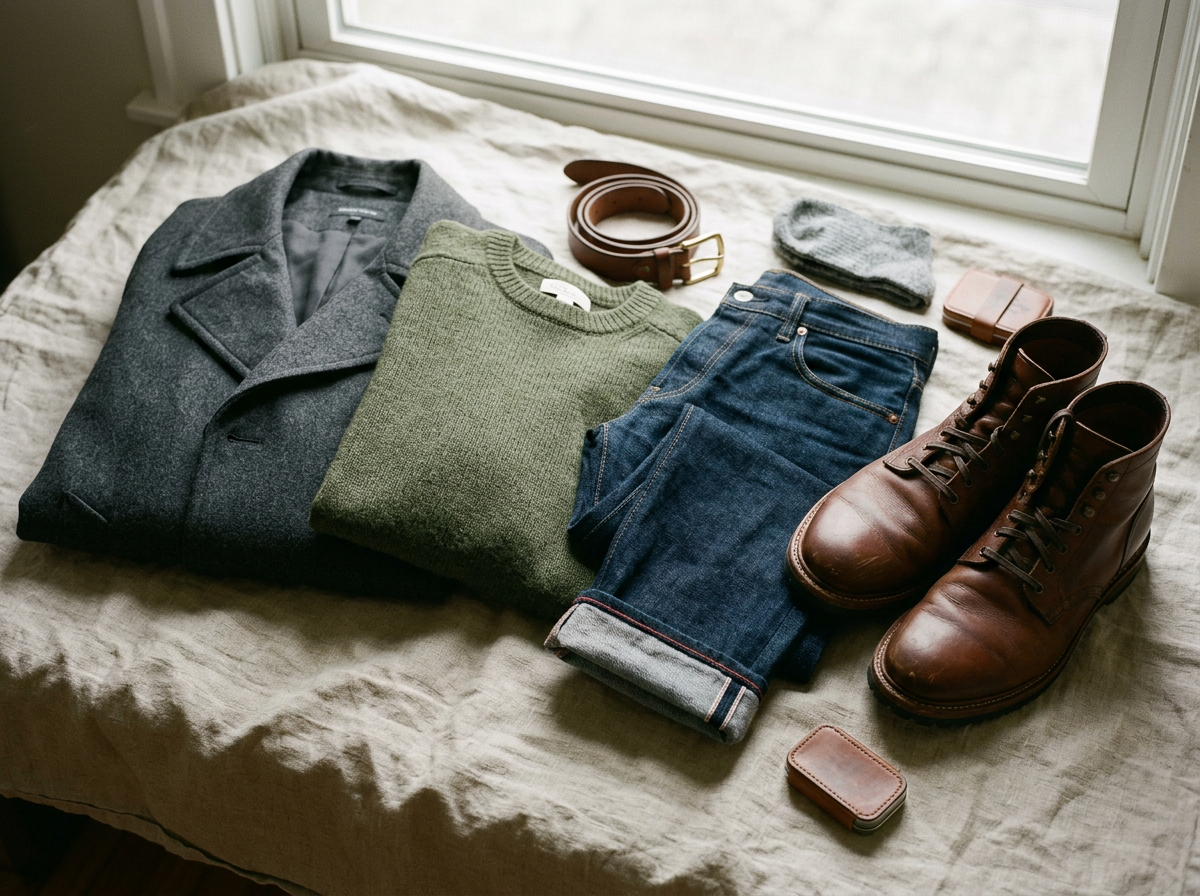
Originating as standard-issue military footwear in the mid-twentieth century, the service boot is an essential lace-up design built for longevity. Characterised by an ankle-height shaft, minimalist eyelets, and often a structured cap toe, it provides a masculine, utilitarian counterpoint to casual tailoring. This silhouette pairs best with heavy selvedge denim, corduroy trousers, and dense knitwear.
Look for service boots constructed with a 270-degree or 360-degree Goodyear welt, allowing repeated resoling over decades of wear. The proportions should feel balanced rather than bulky; a moderate toe spring and structured heel counter prevent the boot from appearing overly industrial.

The Chukka and Desert Boot: Casual Elegance
Featuring two to three pairs of eyelets and an ankle-skimming height, the chukka bridges the gap between casual sneakers and formal dress shoes. The unlined desert boot variant, typically built from reverse calf suede atop a soft crepe sole, serves as a staple for transitional spring and autumn layering. Paired with textured wool trousers or unstructured cotton suits, chukkas inject relaxed sophistication into smart-casual dressing.
When selecting leather chukkas for wet or formal environments, choose treated box calf or waxed reverse suede mounted on a studded rubber sole. This preserves the shoe's understated profile while guarding against pavement moisture and premature leather degradation.
Sole Architecture: Dainite, Commando, and Leather
The outsole defines a boot's silhouette, weight, and weather resistance. Single leather soles provide supreme elegance and flexibility for formal Chelsea boots, though they offer limited grip in winter conditions. British-made Dainite studded rubber soles represent the gold standard for everyday versatility, retaining a low-profile side profile while offering superior traction on wet city pavements.
For severe weather and outdoor utility, consider lugged Commando or Vibram outsoles. While these add visual bulk to the lower half of an outfit, their deep tread patterns deliver uncompromised grip on snow and gravel. Balance heavy lug soles with substantial outerwear, such as wool overcoats or wax jackets.
Leather Selection: Pull-Up, Calfskin, and Suede
Full-grain calfskin delivers a smooth, tight grain that accepts high-shine polishes, making it ideal for business-appropriate boots. Pull-up leathers, such as Horween Chromexcel, are heavily infused with oils and waxes, yielding a rich depth of colour that naturally develops an authentic patina through daily abrasion and creasing.
Roughout and waxed suede offer remarkable water resistance and rugged texture. Unlike standard split suede, true roughout uses the full hide with the flesh side turned outward, retaining maximum structural integrity. This makes it impervious to scuffs, requiring minimal upkeep beyond occasional wire brushing.
Essential Maintenance and Longevity
Preserving quality boots begins with proper cedar shoe trees inserted immediately after removal to absorb moisture and maintain the vamp profile. Rotate wears to give the interior leather lining forty-eight hours to dry completely between outings, which prevents premature lining rot and structural collapse.
Clean off road salt and dirt promptly using a damp cloth and horsehair brush. Treat smooth leathers twice a season with a high-grade beeswax-based cream to replenish natural oils, and apply a dedicated nano-protector spray to suede before wet-weather exposure.