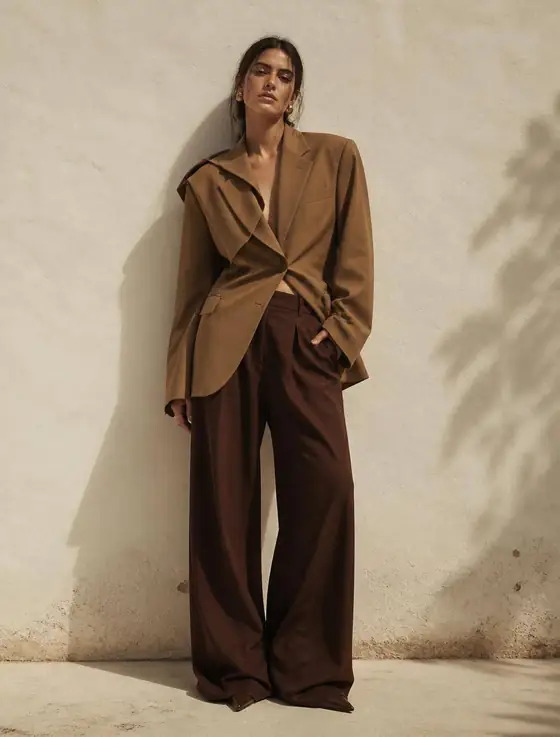

The double-breasted blazer remains an enduring cornerstone of intentional dressing, anchoring contemporary wardrobes with architectural authority. When selected with precision regarding shoulder pitch, button configuration, and fabric drape, this garment bridges structured formalwear and relaxed everyday dressing. Navigating its modern silhouette requires an understanding of canvas construction, wool grades, and proper body proportion alignment.
Shoulder Architecture and Canvas Construction
The integrity of a double-breasted jacket begins entirely at the shoulder line. A tailored piece requires a light to medium canvas foundation that extends across the chest piece, allowing the garment to mold naturally to the wearer over time rather than collapsing. Look for a clean, sharp shoulder seam that sits exactly at the acromion bone for a classic silhouette, or extends no more than half an inch for a structured, contemporary look. Soft roping on the sleevehead adds subtle definition without introducing excessive theatricality.
Avoid heavy shoulder pads that restrict arm movement or create visible hollows beneath the collar. A semi-canvassed construction strikes the ideal balance between structural longevity and relaxed everyday mobility, ensuring the front panels lie flush without bubbling against the ribcage.
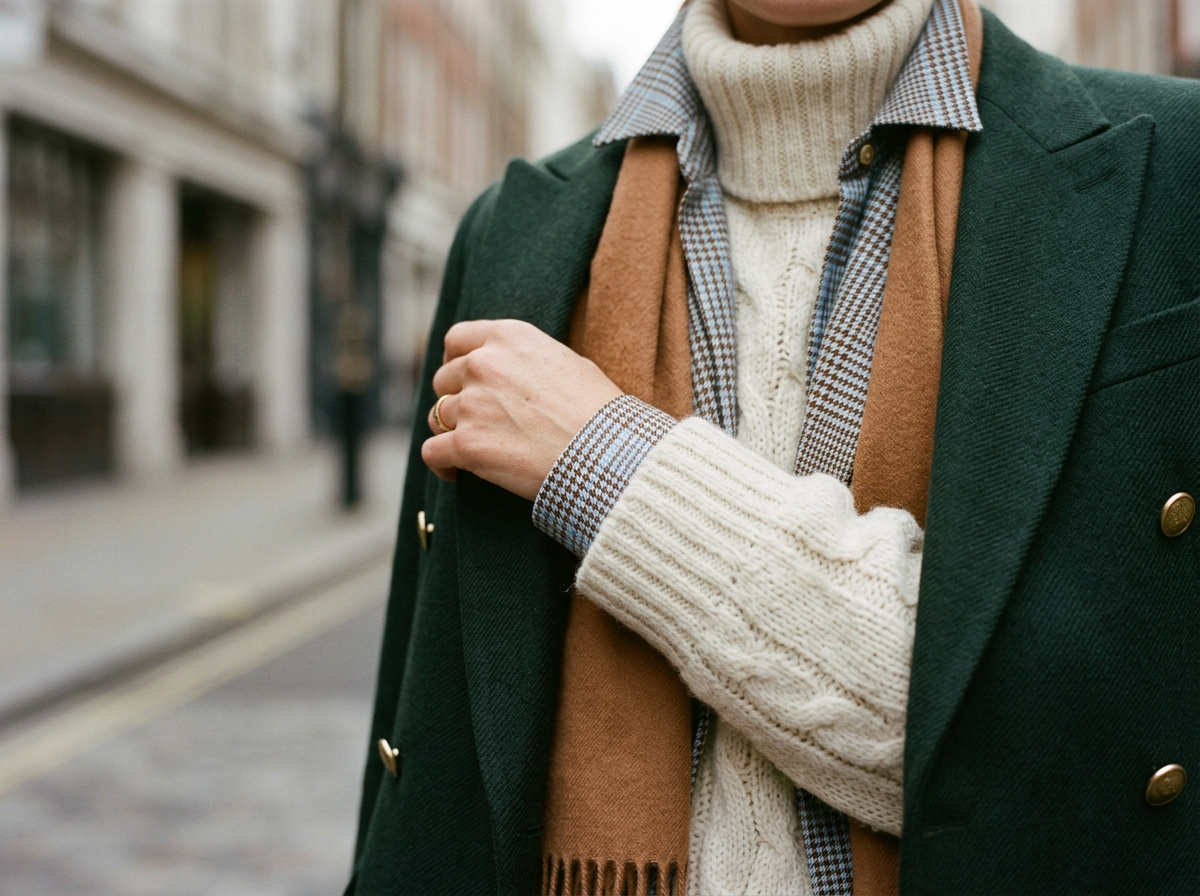
Button Stance and Fastening Configurations
Button placement dictates the visual center of gravity on a double-breasted cut. The classic six-on-two arrangement—featuring six exterior buttons with two functional fastening points—remains the most universally flattering setup. Fastening the middle functional button draws the eye inward, establishing a defined waist taper while maintaining a deep, elongated V-neckline that lengthens the torso.
Alternatively, a four-on-one configuration provides a lower crossover point, evoking relaxed late-eighties tailoring suitable for casual ensembles. Ensure the interior anchor button, or jigger, is positioned securely; this internal fastening stabilizes the underlap, preventing the jacket hem from sagging unevenly when fastened on the move.

Selecting the Right Wool Weights and Weaves
Textile choice governs both drape and seasonality. For year-round utility, select a four-season worsted wool in a Super 110s to 120s twist, weighing approximately 260 to 300 grams per meter. This specific weight delivers sufficient body to support the overlapping front panels while resisting transit creasing. For autumn and winter, wool flannel and heavier cavalry twill offer tactile warmth and matte depth.
Tropical wool weaves and high-twist wool frescoes excel during warmer months by providing micro-perforated breathability while retaining the crispness demanded by peak lapels. Always inspect the lining; a cupro or viscose half-lining allows airflow while preventing the wool from clinging to knitwear.
Lapel Width and Collar Proportions
Peak lapels are non-negotiable on a traditional double-breasted silhouette, directing the gaze outward toward the shoulders to balance the boxier body block. The widest point of the lapel should measure roughly halfway between the collar seam and the outer edge of the shoulder. Lapels that are excessively slim diminish the jacket's architectural impact, whereas overly wide cuts can overwhelm petite frames.
Ensure the collar hugs the back of the neck cleanly without collar gap, which occurs when the chest is cut too tight or the shoulder pitch is misaligned. The gorge line—the seam joining collar and lapel—should sit high on the collarbone to maintain a contemporary vertical line.
Styling Proportions from Office to Off-Duty
Balancing the volume of a double-breasted jacket requires conscious lower-half coordination. For professional environments, pair a navy or charcoal blazer with straight-leg wool trousers cut cleanly to the ankle, finishing with almond-toe leather loafers. The juxtaposition of structured tailoring with clean leg lines prevents the overall outfit from appearing bulky.
For elevated off-duty wear, style an unbuttoned camel or houndstooth blazer over a fine-gauge merino turtleneck and raw indigo denim. Leaving the front panels open introduces a relaxed vertical drape, while the jacket’s structured shoulders maintain a sharp, elevated posture regardless of the casual base layers.
Garment Care, Pressing, and Longevity
Preserving tailored wool garments requires minimal dry cleaning and consistent mechanical maintenance. Chemical cleaning agents strip natural lanolin from wool fibers, leading to premature brittleness; restrict professional cleaning to once per season unless localized staining occurs. Instead, use a natural boar-bristle garment brush after each wear to dislodge dust and surface debris from the weave.
Store the jacket on a contoured wooden hanger with broad shoulder supports to maintain sleevehead shape. To eliminate creases, use a handheld garment steamer from the interior lining outward, or hang the piece in a humid bathroom environment rather than applying direct iron heat, which can cause permanent fabric shine.