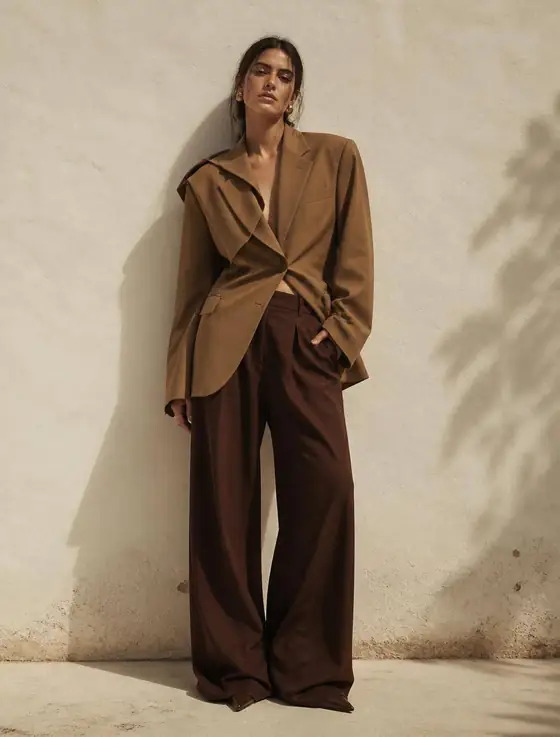

A meticulously constructed cotton poplin shirt is the ultimate sartorial baseline, bridging formal tailoring and relaxed daily dressing. The difference between a limp, lacklustre blouse and an authoritative wardrobe anchor lies entirely in fabric density, collar architecture, and shoulder drop. By learning to evaluate weave structures and seam alignments, you can invest in poplin pieces that hold their crisp form season after season.
Understanding Fabric Weight and Thread Count
Poplin is characterised by its distinctive plain weave, constructed with fine warp yarns and slightly thicker weft yarns. This specific structure produces a smooth, lustrous surface that remains lightweight yet remarkably durable. When shopping, prioritize two-ply, long-staple Egyptian or Supima cotton with a yarn count between 100s and 120s. This balance guarantees sufficient opacity without sacrificing the breathable, crisp hand feel necessary for sharp layering.
Cheaper single-ply fabrics often feel papery, wrinkle into stubborn creased lines within hours, and collapse around the neckline. High-grade compact poplin possesses a gentle natural sheen and a resilient bounce-back quality. Run your thumb across the weave; it should feel dense, cool to the touch, and completely uniform across the entire surface of the garment.
Collar Geometry and Interlining Construction
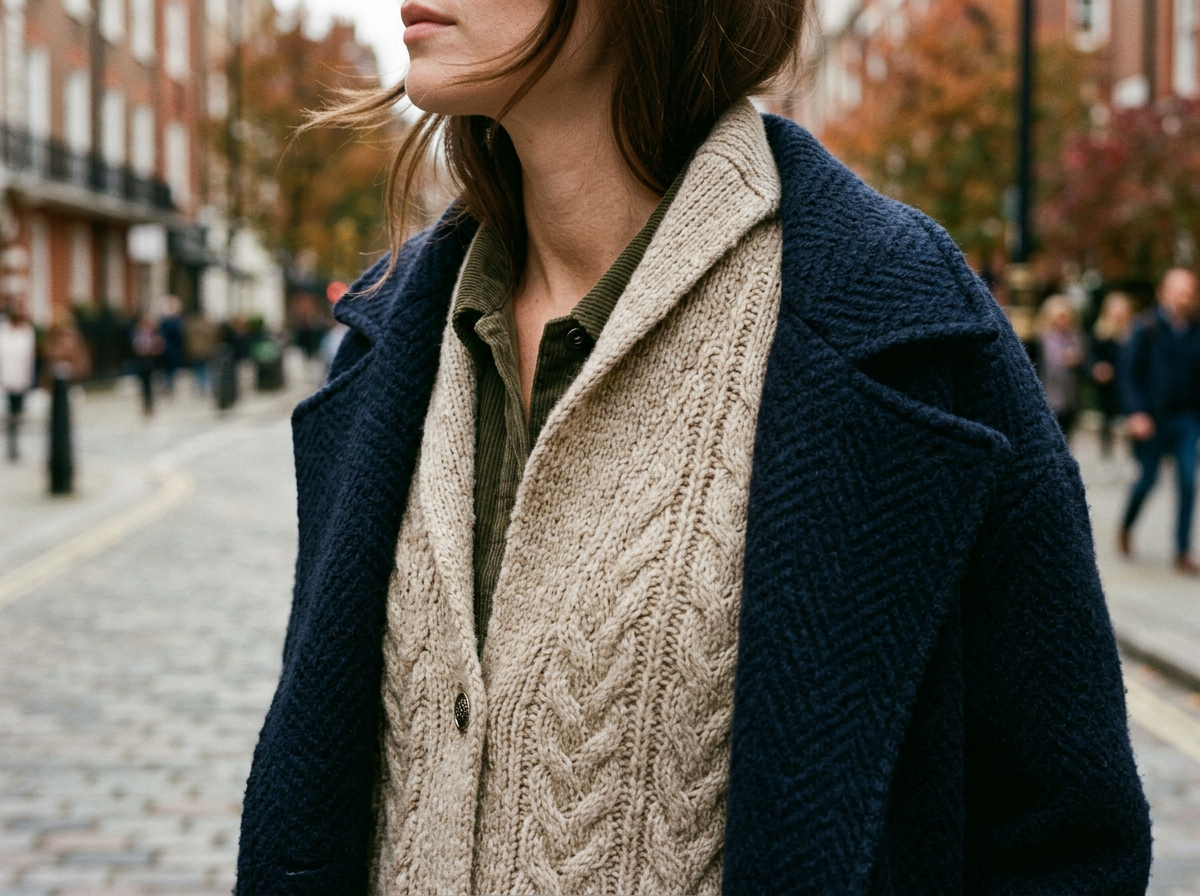
The collar dictates the formality and presence of the entire shirt. Look for point or semi-spread collars constructed with a fused interlining, which provides the stiffness required to stand upright under tailored blazers or heavy crewneck knits. The collar points must stay flat against the collarbone without curling upward, while the band should sit cleanly without choking or gapping when fully buttoned.
For a modern, relaxed aesthetic, a slightly elongated forward-point collar creates verticality, elongating the neck and providing a strong focal point. If you prefer unbuttoned styling, ensure the internal placket includes subtle reinforcement down to the third button. This prevents the front from splaying flat and maintains an elegant, dimensional drape across the chest.

Shoulder Seams and Sleeve Proportions
Shoulder placement establishes the visual language of the garment. A traditional fitted poplin shirt features a shoulder seam resting precisely at the acromion bone, creating a clean, structured frame ideal for formal suiting. Conversely, modern relaxed iterations utilize a dropped shoulder seam placed two to three inches down the upper arm, delivering an intentional, borrowed-from-the-boys nonchalance.
Sleeve length must be calibrated to your wrist bone, ending just before the base of the thumb. Cuffs should measure at least two and a half inches in depth, finished with double-button closures to allow versatile adjustments. A stiffened cuff permits clean, sharp turn-backs that stay securely in place when rolled to the mid-forearm for effortless transitional styling.
Silhouette Selection: Architectural Volume vs Tailored Darting
Navigating silhouettes requires balancing your body proportions with your existing wardrobe staples. Oversized poplin shirts require back box pleats or double knife pleats to distribute volume evenly across the back without puffing at the front hem. When wearing generous silhouettes, balance the volume by tucking the front into high-waisted denim or structured trousers, letting the curved back hem float freely.
Tailored silhouettes, achieved through subtle vertical back darts, hug the natural contour of the torso without pulling across the bust line. A properly fitted shirt will show no horizontal tension lines between the front buttons. Choose a curved, high-cut side gusset for tucking into tailored trousers to prevent unnecessary fabric bunching along the hip line.
Essential Colour Profiles and Pattern Pairings
Optical white remains the non-negotiable standard, delivering instant clarity against deep charcoal, navy, and camel outerwear. However, a saturated French blue or sky-blue poplin softens high-contrast tailoring while maintaining corporate polish. These solid tones serve as the cleanest background for layered yellow gold jewellery and minimalist leather accessories.
Fine Bengal stripes and butcher stripes in blue and white offer subtle pattern variation without overwhelming the eye. When incorporating striped poplin, ensure the pattern matches cleanly across the shoulder yoke and front placket. Pair patterned shirts with monochrome suiting or tonal cashmere knits to keep the overall outfit refined and balanced.
Garment Care, Ironing, and Longevity
Preserving the immaculate finish of crisp cotton poplin requires disciplined laundering habits. Always wash your shirts at 30 degrees Celsius on a gentle cycle using a liquid detergent free from optical brighteners. Avoid tumble drying entirely; the rapid mechanical heat weakens cotton fibres and causes puckering along the seam threads that cannot be ironed out.
Iron the shirt while it remains slightly damp, utilizing high steam and a dedicated cotton setting. Begin with the collar points, move to the cuffs, proceed down the sleeves, and finish with the front panels and back yoke. Hang immediately on contoured wooden hangers to maintain shoulder shape and prevent the weave from stretching under its own weight.