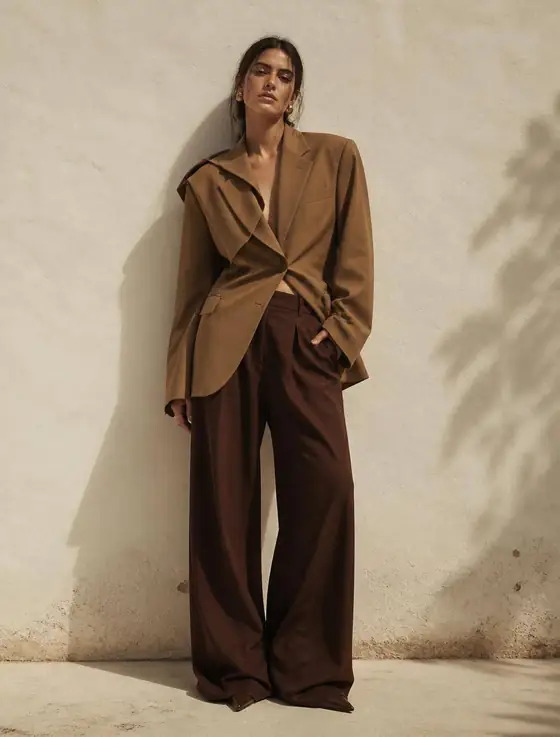
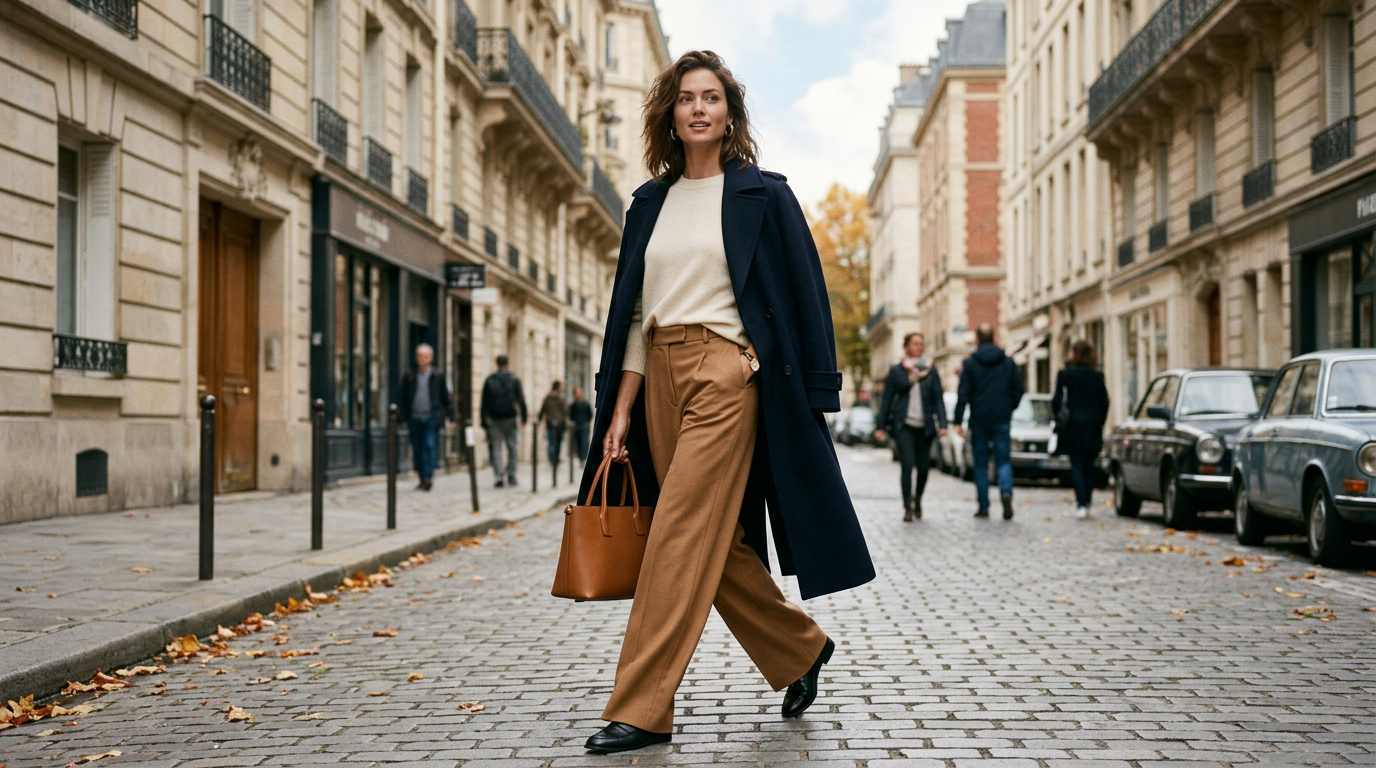
Wide-leg trousers have transitioned from a seasonal runway trend into the cornerstone of modern feminine tailoring. The secret to an elevated drape lies in balancing proportion, fabric weight, and waist rise rather than chasing oversized volume. When executed properly, this silhouette elongates the frame while offering unmatched ease across day-to-evening dressing.
Selecting the Right Fabric and Weight
Fabric determines how a wide-leg trouser moves and holds structure. For colder months and formal environments, high-twist tropical wool or heavyweight wool flannel provides crisp definition along the crease without clinging. As temperatures rise, fluid drapey textiles like mid-weight tencel, structured linen-cotton blends, and dense silk twill maintain breathability while retaining silhouette discipline.
Avoid lightweight synthetic polyesters that lack body, as they tend to collapse inward and disrupt the straight line of the leg. Opt for fabrics with an inherent drape and substantial hand-feel, which ensure the trouser leg remains architectural while in motion.
The Crucial Nuance of Rise and Pleats
The waistline establishes the balance of the entire ensemble. High-rise models sitting at the natural waistline maximize vertical length, making them universally flattering. Deep front pleats—either single or forward-facing double pleats—introduce volume where needed across the hip without widening the waistline.
For petite frames or shorter torsos, a clean flat-front cut with a mid-rise offers a streamlined alternative, preventing excessive bulk around the midsection. Ensure the waistband sits comfortably flat without pulling across the pockets, which is the primary indicator that the hip sizing requires adjustment.

Hem Length and Footwear Coordination
The break of the hem dictates the success of a wide-leg cut. An editorial floor-skimming length should hover approximately one centimeter above the ground, fully concealing the heel stack while exposing the toe of pointed pumps or square-toe boots. This continuous sweep visually elongates the leg line without dragging on pavement.
When pairing wide-leg silhouettes with flat footwear like minimalist leather sneakers or pointed loafers, opt for a tailored slight break that kisses the instep. Avoid cropped lengths that hit mid-calf, as they sever the vertical proportion and truncate the silhouette.
Proportion Play: Upper Body Pairings
Styling wide-leg trousers requires deliberate contrast in volume. Balance the expanse of the lower half by anchoring the look with close-fitting tops, such as ribbed silk-cotton tank tops, fine-gauge merino knitwear, or structured bodysuits tucked cleanly into the waistband.
Alternatively, embrace directional oversized layering by styling wide trousers with a boxy double-breasted blazer. To keep the silhouette intentional rather than sloppy, ensure the jacket shoulders are sharply padded and leave the blazer unbuttoned to reveal the vertical axis of the inner top.
Tailoring Alterations and Longevity
Ready-to-wear trousers rarely fit flawlessly off the rack, making alterations an essential investment. Prioritize purchasing trousers that fit comfortably across the widest part of your hips and thighs, as a tailor can easily take in the waist seam and adjust the hemline.
Protect your investment by pressing a sharp center crease with a steam iron and using a pressing cloth to prevent fabric shine. Hang trousers full length from the cuffs using clamp hangers rather than folding them over horizontal bars to prevent horizontal creasing.