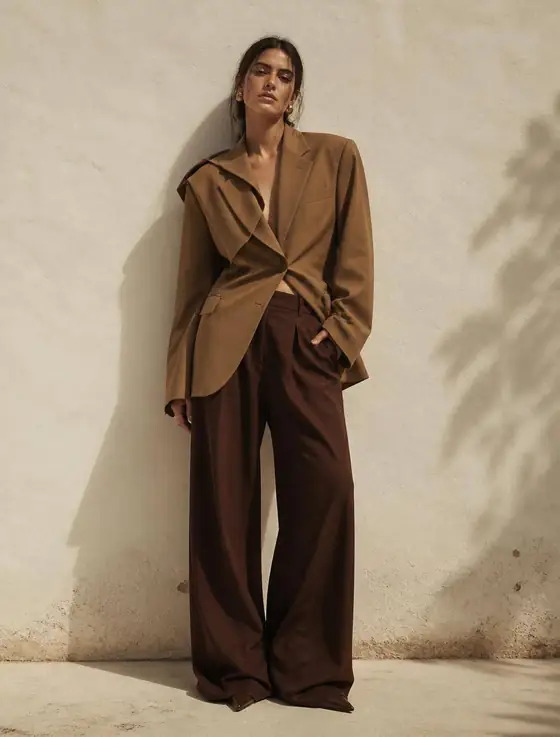

Children outgrow standard sizing at rapid rates, creating unnecessary wardrobe turnover and strained household budgets. Selecting thoughtfully engineered garments with built-in adjustability extends garment lifespan without sacrificing comfort or polish. By focusing on flexible construction and resilient natural textiles, parents can curate an enduring wardrobe tailored for active development.
Prioritise Fold-Over Cuffs and Extendable Hems
Fold-over ribbed ankle and wrist cuffs represent the foundation of extendable childrenswear. These elongated bands unfold as limbs lengthen, adding two to three inches of functional length over six to twelve months. Look for French terry or midweight rib-knit cuffs containing at least five percent elastane, which ensures shape retention after repeated stretching.
For trousers and outerwear, search for garments featuring internal grow-cuff seams. Brands often sew a contrasting interior thread that, when snipped with seam rippers, releases hidden fabric to lower hem lengths instantly. This structural feature preserves clean silhouettes while eliminating the clumsy aesthetic of rolling up oversized hems.
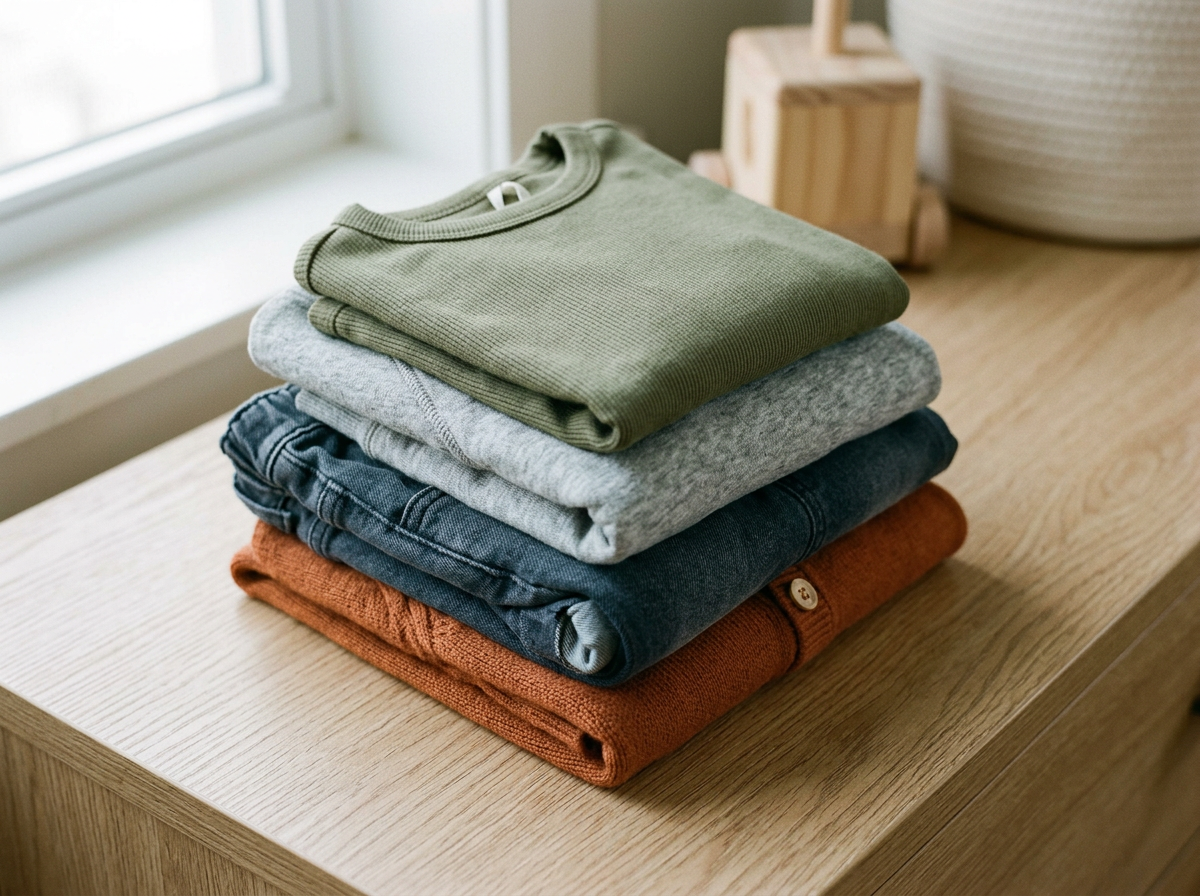
Seek Out Button-Hole Elastic and Drawstring Waists
Fixed waistbands frequently fail children as torso proportions and waist measurements shift unpredictably during early growth phases. Internal buttonhole elastic allows precise micro-adjustments along the inner waistband, tailoring the garment to slim waists while accommodating future expansion. This mechanical detail keeps trousers secure without relying on bulky external belts.
Genuine functional drawstrings offer similar utility in casual trousers and shorts. Ensure drawstrings are reinforced through metal eyelets and securely bartacked at the centre back seam to prevent them from sliding inside the casing during laundering or rough play.

Select Raglan Sleeves and Drop-Shoulder Silhouettes
Set-in shoulder seams define strict anatomical boundaries that quickly look restrictive when a child's torso lengthens and shoulders broaden. Raglan cuts, cut seamlessly from the collarbone down to the underarm, naturally accommodate wider chest spans and fluctuating arm lengths without binding.
Similarly, relaxed drop-shoulder sweaters, tunics, and boxy overshirts seamlessly transition through multiple developmental stages. A piece that begins as a modern oversized layer comfortably evolves into a standard tailored fit over eighteen months, offering consistent visual proportion throughout its lifecycle.
Opt for Resilient Four-Way Stretch Natural Blends
Fabric composition directly dictates how gracefully a garment expands with movement and body changes. Prioritise organic long-staple cotton, modal, or bamboo viscose blended with three to six percent elastane or spandex. These combinations provide dimensional recovery, meaning the textile snaps back into form rather than bagging out at high-stress points like knees and elbows.
Steer clear of cheap pure synthetic knits that lose structural integrity after moderate heat cycles. Quality cotton-rich blends maintain surface density and soft hand-feel across dozens of wash cycles, allowing the garment to survive one growth cycle and pass cleanly to younger siblings.
Incorporate Modular Dungarees and Adjustable Straps
Overalls, pinafores, and dungarees rank among the most adaptable silhouettes in childrenswear thanks to multi-button or slider-buckle shoulder straps. Adjusting strap length instantly recalibrates the rise and torso fit, keeping bibs centered and leg openings proportional as the child gains height.
Choose dungarees crafted from lightweight garment-washed canvas or mid-weight twill rather than rigid raw denim. These flexible textiles offer sufficient abrasion resistance for active playground use while draping comfortably whether adjusted to their tightest or fully extended strap settings.
Master Strategic Oversizing Without Sacrificing Proportion
Sizing up requires a deliberate focus on structure rather than simply purchasing two sizes above current measurements. Oversized outerwear, such as boxy chore jackets or fleece cardigans, should maintain adequate collar stability and underarm clearance so movement is never compromised.
When buying tops slightly large, favor curved drop-tail hems that cover hips comfortably without pooling excessively at the front. Pair slightly looser tops with tapered, cuffable bottoms to maintain visual balance and keep excess fabric from interfering with running and climbing.