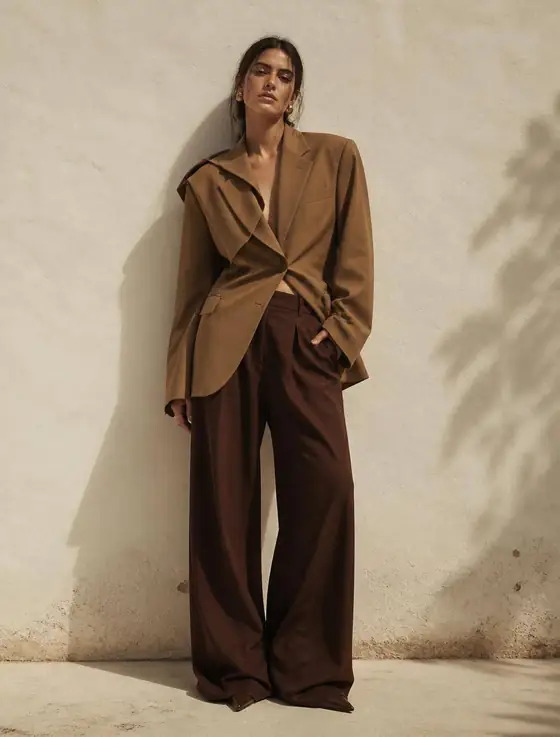

Shielding children from harmful ultraviolet radiation requires more than relying exclusively on topical sunscreen. Certified sun-protective apparel provides continuous, physical defense against UVA and UVB rays without the need for constant reapplication. Understanding textile density, fabric treatments, and silhouette engineering ensures young wardrobes remain safe, comfortable, and stylish during prolonged outdoor exposure.
Understanding UPF Ratings and Fabric Density
Ultraviolet Protection Factor measures the amount of ultraviolet radiation that penetrates a textile to reach the skin. Standard lightweight cotton t-shirts often offer a rating as low as UPF 5, allowing significant radiation to pass through microscopic gaps between fibres. In contrast, garments certified with UPF 30 to UPF 50+ significantly reduce skin exposure, with UPF 50+ blocking approximately ninety-eight percent of rays. When evaluating childrenswear, prioritize independent textile certifications such as the Skin Cancer Foundation seal or EN 13758-2 compliance.
A garment's protective capability relies fundamentally on its knit density rather than its physical weight. Tightly woven synthetic polymers like micro-polyester and nylon naturally disperse light, whereas loosely woven natural fibres allow solar energy to filter between yarns. High-quality sun shirts leverage micro-denier yarns that maintain exceptional structural density while preserving air circulation, keeping children cool during high-energy outdoor activities.
Natural Versus Technical Synthetic Fibres
While cotton remains a warm-weather staple, unrefined natural fibres lose up to half their sun protection when saturated with perspiration or water. For high-heat, active environments, technical synthetics such as recycled nylon and elastane blends provide superior baseline protection alongside moisture-wicking and quick-drying properties. These engineered fabrics pull moisture away from sensitive skin to prevent heat rash while maintaining their certified protective rating across hours of wear.
If natural materials are preferred for casual outings, seek out specialized unbleached linen or tightly spun organic bamboo jersey. Bamboo contains natural lignins that absorb UV light more effectively than standard cotton, and unbleached fibres retain natural pigments that act as intrinsic radiation barriers. Pair these natural options with loose, relaxed tailoring to promote micro-climate airflow across the torso and limbs.

Essential Silhouettes for Full-Spectrum Coverage
Effective sun-safe styling balances body coverage with thermal comfort through intentional pattern cutting. Look for long-sleeved tops engineered with raglan sleeves, which eliminate friction along the shoulder seams while facilitating unimpeded movement on playgrounds and sports fields. High mock necklines or convertible stand collars provide essential coverage for the delicate posterior neck area, a region frequently overlooked during sunscreen application.
For lower-body wear, lightweight cargo trousers and utility joggers crafted from ripstop nylon offer comprehensive protection without trapping core heat. Articulated knee construction and elasticated ankle cuffs prevent fabric dragging while sealing out ambient surface reflection from sand, concrete, or water. Garments designed with hidden mesh underarm panels deliver maximum mechanical ventilation without compromising the outer sun-blocking surface.
High-Performance Rashguards and Swimwear Selection
Aquatic environments amplify solar radiation through direct water reflection, necessitating specialized swimwear built to withstand chlorine, saltwater, and mechanical friction. Select rashguards composed of four-way stretch nylon-elastane blends with reinforced flatlock stitching to eliminate chafing. Full-length front zippers simplify dressing and removal when the fabric is damp, reducing wear-and-tear along collar ribs and cuffs.
Verify that swimwear features chlorine-resistant elastane, often marketed as Xtra Life Lycra, which resists chemical breakdown and structural sagging. Substandard swim fabrics thin out rapidly after repeated pool sessions, creating translucent zones that severely degrade sun safety. Opt for saturated tones such as navy, cobalt, forest green, or deep berry, which naturally absorb higher quantities of solar radiation than pastel alternatives.
Protective Headwear and Accessory Coordination
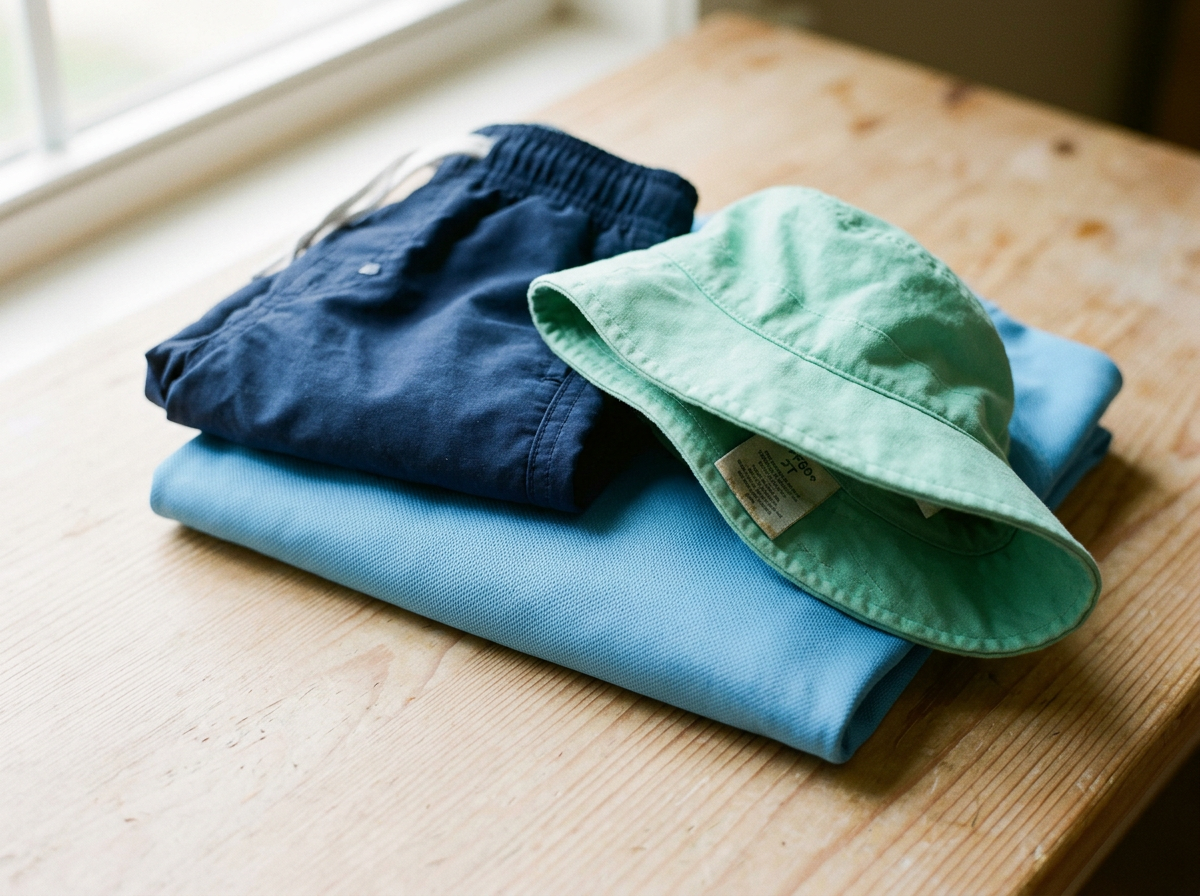
A comprehensive sun wardrobe must incorporate dedicated protective accessories, starting with broad-brimmed headwear. Bucket hats and legionnaire-style caps with integrated neck flaps offer vastly superior coverage compared to standard baseball caps, shielding the scalp, ears, neck, and upper chest. Look for hats constructed from water-repellent nylon featuring breakaway chin straps for playground safety and crushable foam brims that survive packing.
Complement protective garments with category 3 UV400 sunglasses to protect developing retinas from cumulative ultraviolet exposure. Flexible, BPA-free rubber frames with shatterproof polycarbonate lenses withstand rough play while ensuring clear, distortion-free optical alignment. Integrating these elements into a daily dressing routine establishes lifelong sun-safety habits while maintaining refined, functional style.
Laundering Techniques to Preserve UPF Efficacy
Maintaining the integrity of sun-protective finishes requires gentle, deliberate garment care. Wash UPF apparel in cold water on a delicate cycle using mild liquid detergents free from optical brighteners and bleach. Harsh enzymatic cleaners and heavy powder detergents can degrade specialized chemical UV finishes and break down elastane fibres over successive wash cycles.
Avoid fabric softeners entirely, as they coat the yarns with a waxy residue that impairs moisture-wicking properties and clogs breathable micro-pores. Line-dry garments in the shade rather than utilizing high-heat tumble dryers, which can warp synthetic micro-weaves and compromise UPF ratings. With proper maintenance, premium UPF childrenswear will retain its certified protective factor through dozens of seasonal washes.