

Selecting the right sleepwear for children requires balancing thermal regulation, skin sensitivity, and strict textile safety standards. Nighttime garments directly influence sleep quality, meaning caregivers must look beyond charming prints toward fibre integrity, seam construction, and non-toxic certifications. Understanding these core textile specifications simplifies building a durable, safe bedtime rotation.
Prioritising Pure, Chemical-Free Fibres
A child's skin is significantly thinner and more absorbent than adult skin, making fabric purity essential during prolonged nocturnal contact. Prioritise certified organic materials such as Global Organic Textile Standard (GOTS) cotton, long-staple pima cotton, or fine-gauge bamboo modal. These fibres facilitate natural airflow and wick away moisture during rapid eye movement cycles, preventing the night sweats that frequently disrupt deep sleep. Look for OEKO-TEX Standard 100 certifications, which guarantee that garments are thoroughly tested and free from heavy metals, formaldehyde, and allergenic disperse dyes.
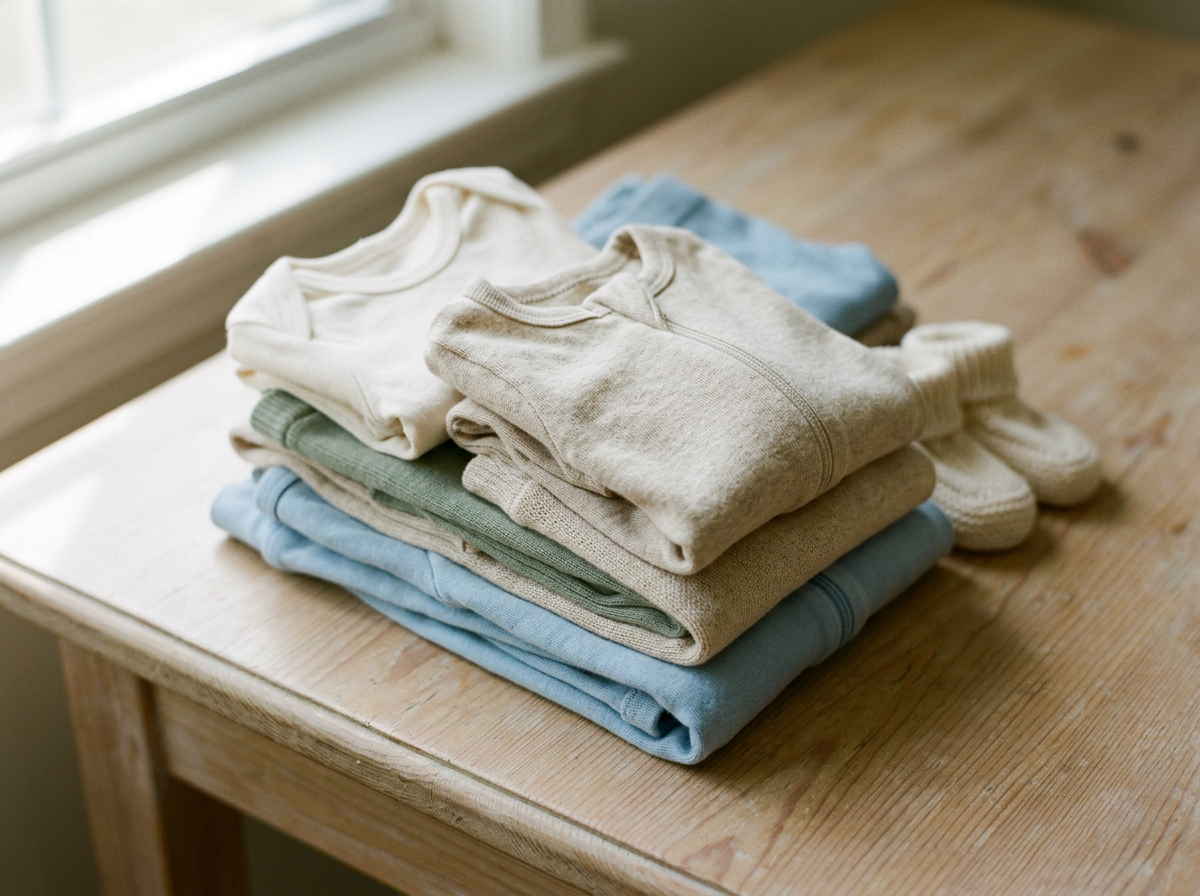
Navigating Snug-Fit Safety and Chemical Treatments
Global safety regulations generally mandate that children's sleepwear must either be treated with chemical flame retardants or engineered as a tight-fitting garment. To safeguard long-term health, choose snug-fit sleepwear made from untreated natural fibres over loose polyester garments coated in chemical retardants. Snug-fit pyjamas naturally minimise oxygen circulation around the fabric, drastically reducing fire risk through garment architecture rather than topical chemical finishes. Look for two-piece sets woven with ribbed modal or elastane-infused cotton knits that conform comfortably to the body without pinching.

Calibrating Fabric Weight and Thermal Needs
Optimal sleep relies on keeping the body in a neutral thermal zone throughout ambient room temperature changes. For warmer months (above 22 degrees Celsius), single jersey knits ranging from 150 to 180 GSM (grams per square metre) provide light, airy coverage without clinging. In transitional or cold seasons (16 to 20 degrees Celsius), upgrade to heavier interlock cotton, French terry, or superfine 17.5-micron merino wool knit. Merino is particularly outstanding for restless sleepers because its natural crimp traps insulating warm air while instantly releasing excess perspiration vapour.
Evaluating Ergonomic Design and Sensitive Seams
Functional sleepwear should never cause friction, pressure points, or sensory irritation during toss-and-turn phases. Inspect garments for flatlock stitching, which lays completely flush against the skin to prevent chafing along the torso, underarms, and inner thighs. Choose brands that feature heat-sealed or stamped neckline labels instead of abrasive woven tags. For younger children wearing zip-up sleepsuits, ensure the zipper track is backed by an internal fabric placket and finished with a protective chin guard at the neckline to prevent accidental skin pinches.
Adapting Silhouettes to Developmental Milestones
Tailoring sleepwear silhouettes to your child's developmental phase encourages independence while improving overall comfort. For infants and mobile toddlers, one-piece rompers with two-way zips and fold-over foot cuffs offer flexible warmth and swift midnight nappy changes. Once a child reaches preschool age and begins nighttime toilet training, transition strictly to two-piece sets featuring wide, non-rolling elasticised waistbands. Soft, ribbed cuffs at the wrists and ankles prevent legs and sleeves from riding up, keeping limbs properly insulated without restricting physical freedom.
Laundering Techniques for Fabric Longevity
Preserving the softness, elasticity, and breathability of children's sleepwear requires gentle laundry care. Wash pyjamas inside out in cool or warm water using enzyme-free, fragrance-free liquid detergent formulated for sensitive skin. Never use liquid fabric softeners or conditioning dryer sheets on sleepwear; these products leave a waxy, hydrophobic residue over the fibres, which destroys natural moisture-wicking capacity and degrades the natural flame-resistant properties of tight-fitting cotton. Tumble dry on low heat or line dry in shaded areas to prevent shrinkage and elastic breakdown.