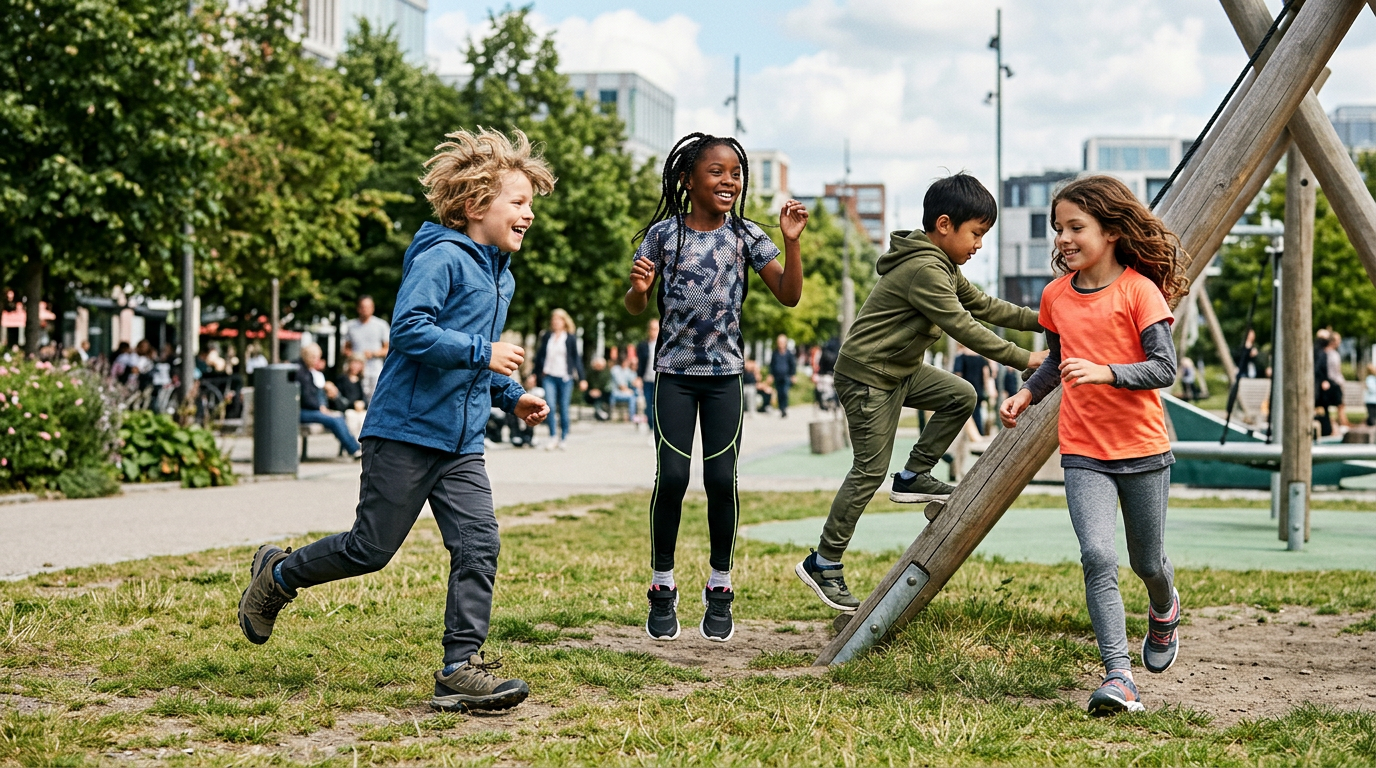
Children require specialized activewear that matches their natural energy while withstanding high-friction movement and frequent laundering. Standard cotton shirts easily saturate with sweat, leading to rapid chill and skin irritation during organized sports or playground games. Selecting purposeful technical garments ensures optimal temperature regulation, unrestricted mobility, and long-term durability across all seasons.
Prioritize Technical Moisture-Wicking Fabrics
The primary purpose of children's sportswear is thermal equilibrium. Replace heavyweight cotton jerseys with technical synthetic blends, such as lightweight polyester microfibers and nylon-elastane knits. These engineered textiles actively pull perspiration away from the skin toward the outer garment surface, where it evaporates quickly. This moisture transport prevents the post-exercise chill that commonly triggers discomfort in colder months.
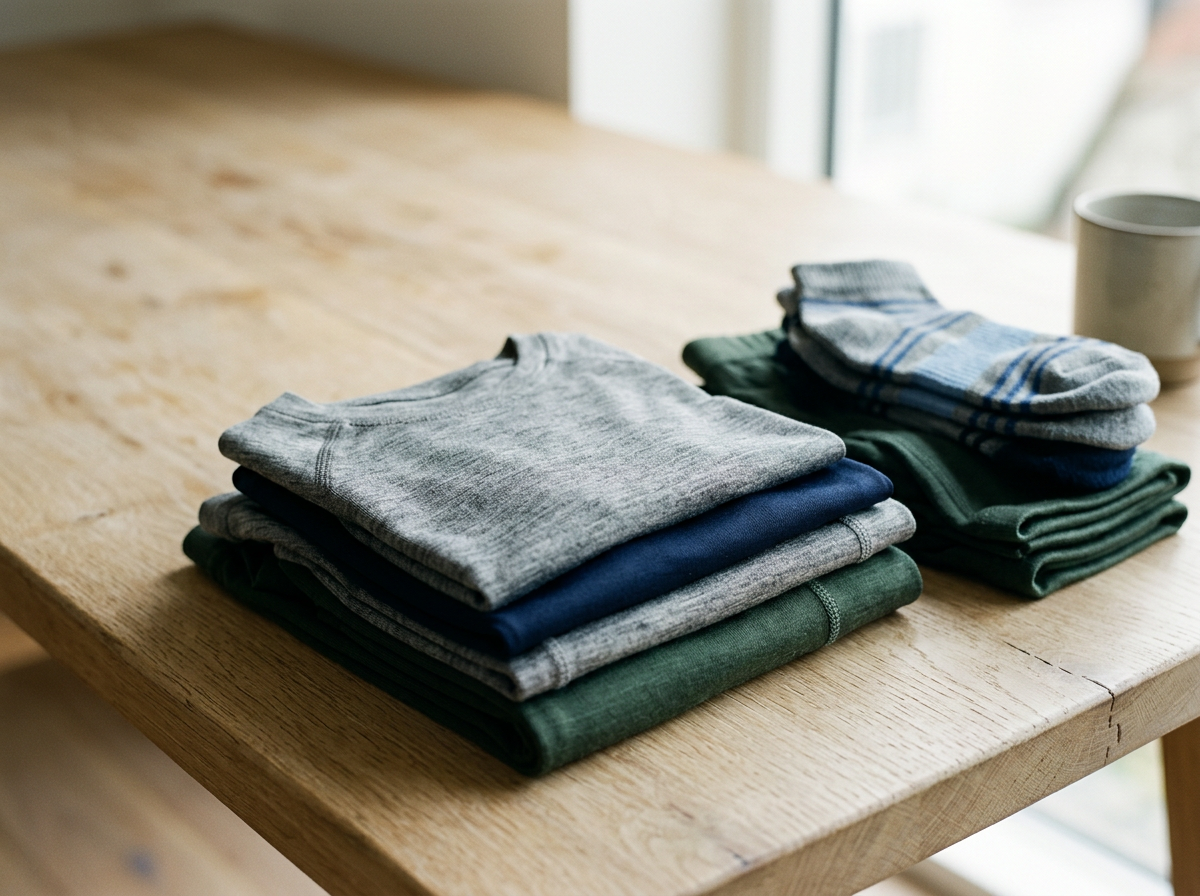
For outdoor sports in fluctuating temperatures, consider ultra-fine merino wool blends. Merino offers inherent thermoregulation, natural odor resistance, and soft breathability without itching. Avoid dense unblended cotton fleece for high-exertion training, as saturated cotton retains up to twenty times its weight in water and dries slowly, creating unnecessary drag and chilling the core.
Inspect Seam Construction and Friction Zones
Children have sensitive skin that reacts quickly to repetitive friction during running, gymnastics, or soccer. When evaluating athletic shorts, tights, and tops, inspect the internal seams closely. Flatlock stitching, where the fabric edges are butted together and joined flat without an overlapping ridge, minimizes friction and eliminates the primary source of exercise-induced chafing.
High-abrasion zones demand structural reinforcement. Look for athletic leggings and track pants equipped with articulated knees or double-layered fabric panels. Similarly, shorts and pants designed with a diamond-shaped crotch gusset distribute physical stress evenly across seams during wide lateral movements, substantially reducing the risk of blowouts.

Demand Ergonomic Cuts and Flexible Waistbands
Performance apparel must adapt to dynamic movement without riding up, twisting, or pinching. Raglan sleeves, which extend in one continuous piece to the collar, offer a superior range of motion for climbing and throwing compared to rigid set-in shoulder seams. Look for four-way stretch textiles that offer horizontal and vertical elasticity for uninhibited flexibility.
Waistband architecture requires careful balance. Broad, knit-encased elastic bands distribute pressure evenly around the torso without cutting into the abdomen. Opt for styles that include a fully anchored internal flat drawstring; this ensures a secure, personalized fit during rapid sprints while preventing the cord from disappearing inside the waistband during washing.
Build a Modular Weather-Adaptive Layering System
A successful youth athletic wardrobe relies on a disciplined three-layer framework. The base layer should fit close to the torso in a lightweight synthetic or merino mesh to manage moisture directly from the skin. The insulating mid-layer—ideally a breathable micro-grid fleece or lightweight technical pullover—traps warm air around the body while allowing internal moisture vapor to escape.
The outer defensive layer should consist of a packable, wind-resistant softshell with a durable water-repellent finish. Ensure this outer piece includes mesh-lined venting under the arms or across the back yoke. This breathable construction prevents sweat condensation from accumulating inside the jacket during high-energy games in brisk conditions.
Maintain Technical Performance Through Proper Care
Technical fibers require specific laundering routines to preserve their wicking channels and elastane elasticity. Wash athletic gear inside out in cold water using a sport-specific liquid detergent designed to dissolve synthetic-trapped body oils and bacteria. Avoid conventional powder detergents, which leave chalky residues inside micro-pores and diminish garment breathability over time.
Never use liquid fabric softeners or conditioning dryer sheets on performance activewear. Softeners coat synthetic fibers with a waxy silicone barrier that permanently neutralizes moisture-wicking capabilities and locks in perspiration odors. Instead, tumble dry on the lowest heat setting or hang garments to dry naturally in a well-ventilated room.